Duck muscle fascia structure why different parts need heat
The later part of this article returns to Duck muscle fascia structure.
"The difference between a tough meal and a culinary masterpiece often rests on a thin, translucent layer of connective tissue."
Understanding the fascia structure in poultry is essential for anyone looking to master meat texture and cooking techniques.
This guide explores how different cuts of chicken and duck possess unique fascial layers, how these layers influence meat texture, and which heating methods work best for specific cuts.
* The relationship between fascia and muscle fiber density. * How subcutaneous fat interacts with connective tissue in duck versus chicken. * Practical techniques for heat application based on tissue type. * Identifying cut-specific characteristics to prevent toughness.
How does the fascia structure affect meat texture?
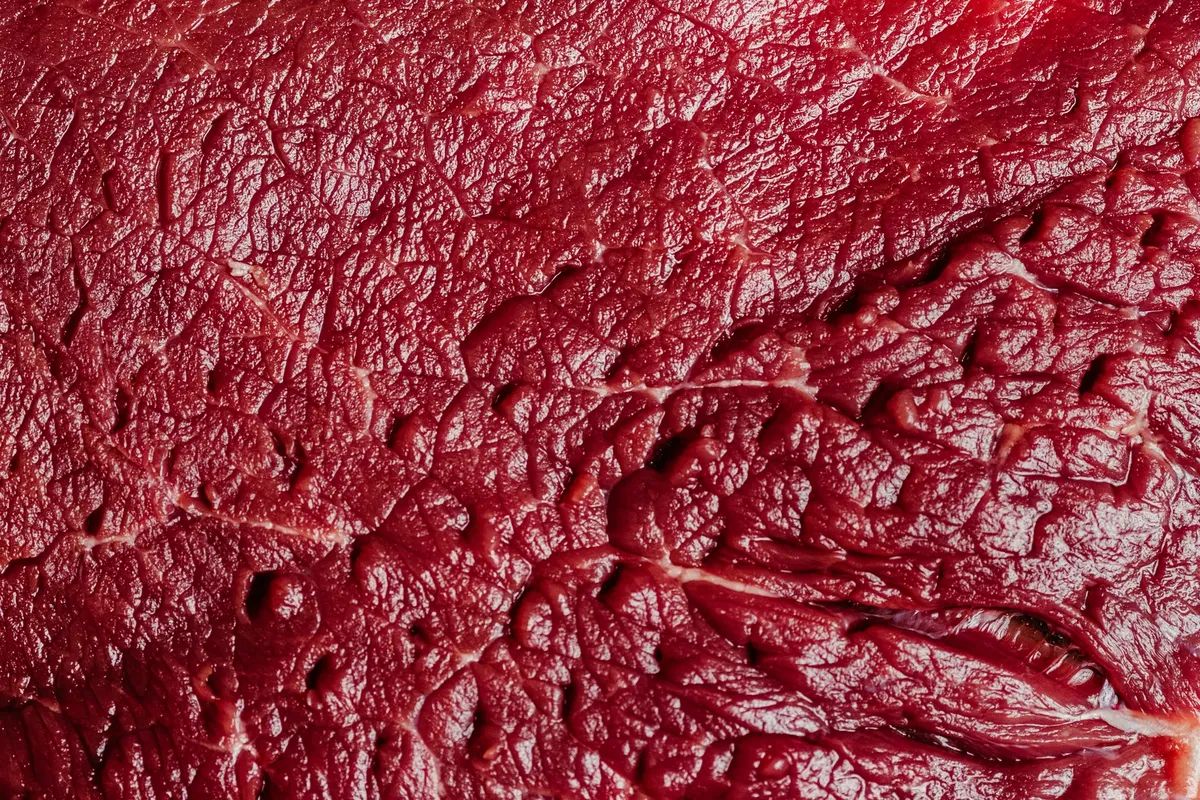
In the morning I hold duck and walk through the next step.
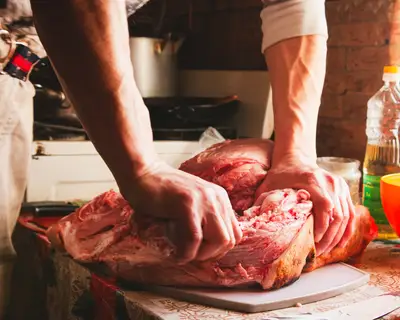
A chef stands at a heavy butcher block, sliding a sharp knife through a bird to reveal the silver-like sheen of the muscle casing. This thin layer, known as fascia, holds muscle fibers together and dictates how much moisture is retained during the cooking process.
The density of this tissue determines whether a piece of meat remains succulent or becomes rubbery after heat application.
Fascia is composed of collagen and elastin, which provide structural integrity to the meat. In poultry, the thickness and distribution of these layers vary significantly depending on the bird's movement patterns and fat storage.
When heat is applied, collagen begins to break down into gelatin, a process that can either tenderize the meat or lead to significant shrinkage if the timing is incorrect.
Because different parts of the bird have different levels of connective tissue, a one-size-fits-all cooking approach often leads to uneven results.
Why do different meat parts require unique heating methods?
In the hot kitchen, I sear the duck skin until the fat crackles and the scent fills the air.
A heavy cast-iron skillet sizzles on a stovetop, releasing a cloud of aromatic steam as a skin-on thigh hits the hot surface. The heat must penetrate through the skin and the underlying fascia to reach the center without drying out the muscle fibers.
Choosing the wrong temperature can cause the fascia to tighten too quickly, squeezing out juices before the collagen has a chance to dissolve.
The structural difference between white meat and dark meat is largely driven by the amount of connective tissue and fat. White meat, such as the breast, typically has thinner, more delicate fascia that can dry out quickly when exposed to high heat.
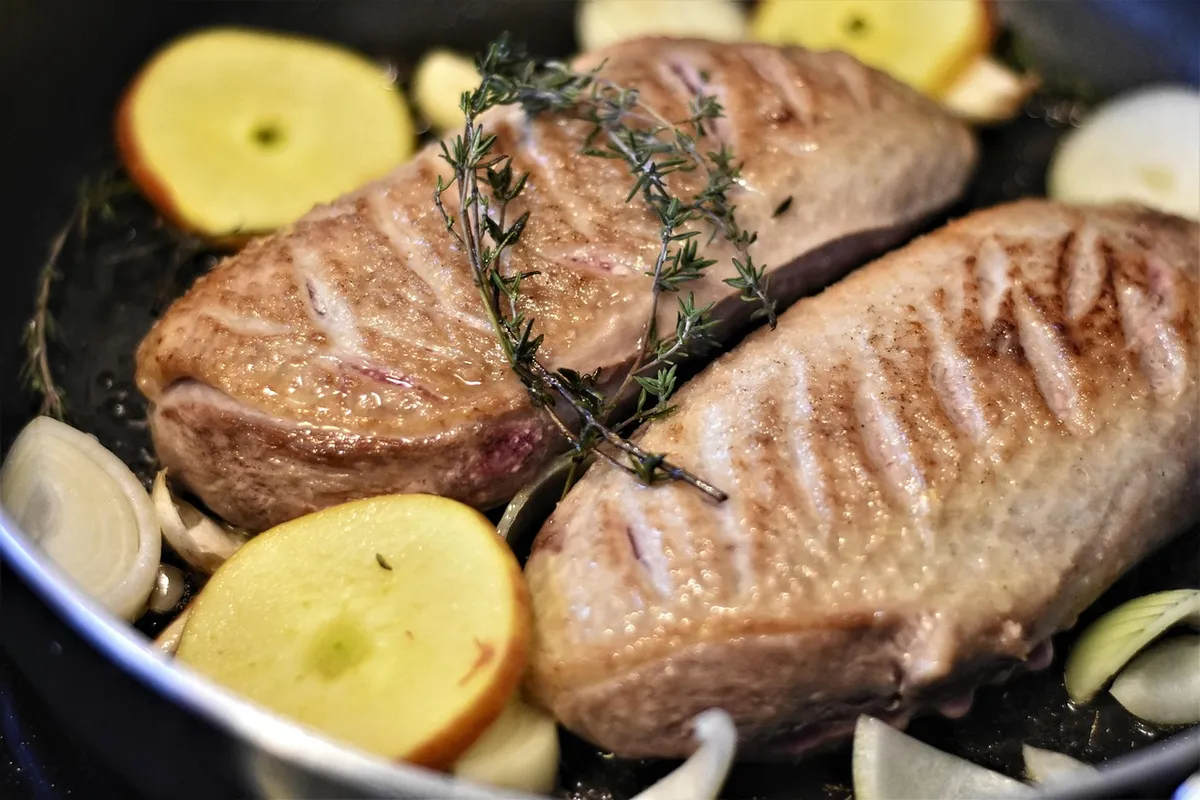
Dark meat, like thighs and legs, contains more robust fascial structures and higher fat content, making it more forgiving during slow-cooking or roasting. In birds like duck, the thick subcutaneous fat layer works in tandem with the fascia to protect the meat during high-heat searing.
| Meat Type | Primary Characteristic | Recommended Heat Application |
|---|---|---|
| Breast | Thin, delicate fascia | Gentle, consistent heat |
| Thigh/Leg | Dense, collagen-rich tissue | Moderate to high heat with moisture |
| Wing | High skin-to-muscle ratio | High-heat searing |
According to USDA, the 2010 record includes 36.9 billion.
What is the difference between chicken and duck fascia?
I remember watching a mentor carefully trim a duck breast, noting how the layer of fat felt much thicker and more integrated with the connective tissue than any chicken I had handled. The way the fat sits against the fascia changes the entire mouthfeel of the bird.
While chicken is often prized for its lean protein, duck offers a complex interplay of heavy fat and strong connective layers.
In chicken, the fascia is often thinner and more easily removed or bypassed during cooking. In contrast, duck features a much more significant layer of subcutaneous fat that is tightly bonded to the fascia.
This structure requires a different approach, often involving a slow render of the fat to prevent the meat from becoming greasy while ensuring the fascia doesn't become tough. The higher collagen content in duck means it can handle more intense heat if the fat is properly managed.
According to Translational Genomics Research Institute, the recorded figure is 47%.
How to manage meat texture through heat application?
A thermometer is pressed into the center of a roasting pan, capturing the internal temperature of a whole bird. Achieving the perfect texture requires balancing the breakdown of collagen with the coagulation of proteins.
If you cook too fast, the fascia contracts and makes the meat tough; if you cook too slow, the meat may lose its structure.
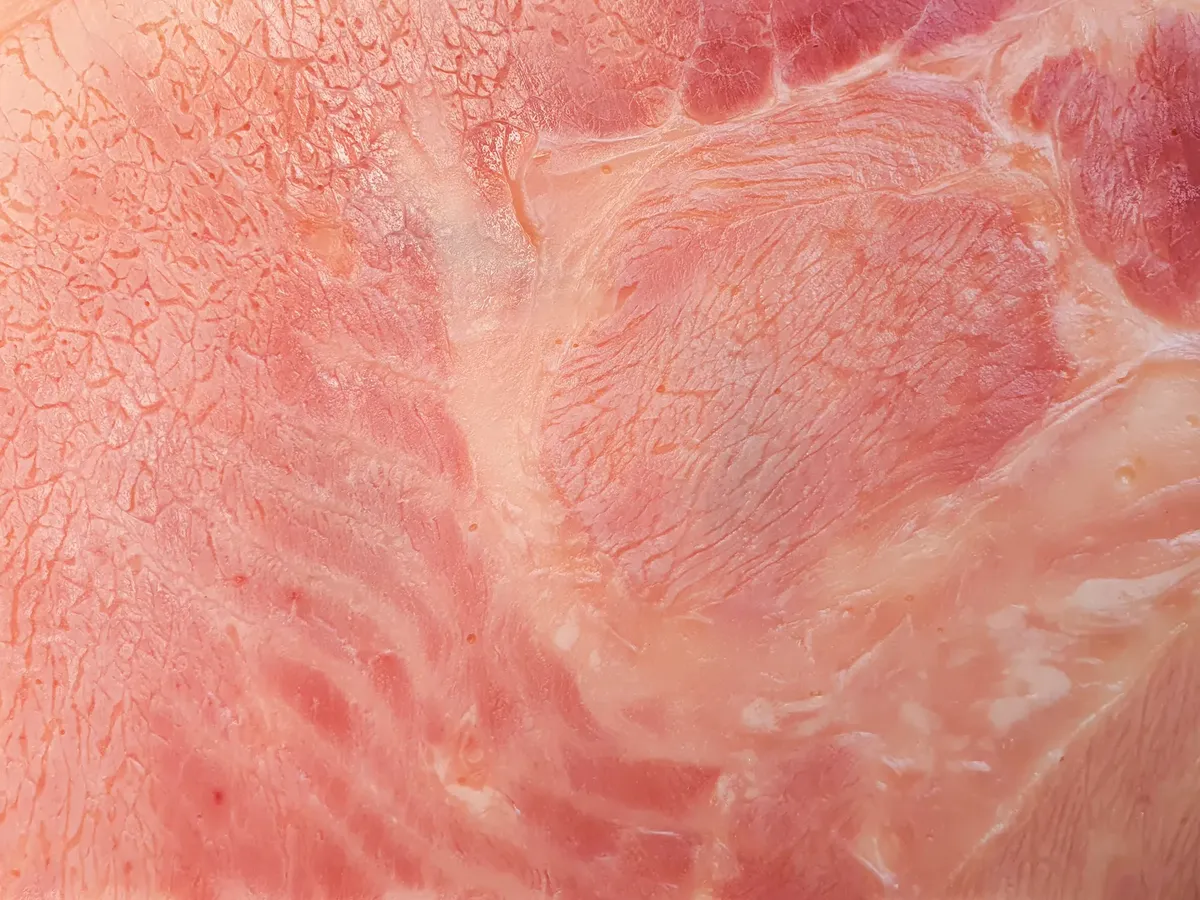
To manage the texture of poultry effectively, follow these three steps:
- Identify the cut: Determine if you are working with lean, thin-fascia meat (breast) or dense, fat-heavy meat (thighs/legs). 2. Adjust the temperature: Use lower, moist-heat methods for thicker connective tissues and higher, dry-heat methods for thinner tissues. 3. Rest the meat: Allow the fibers to relax after cooking so the moisture can redistribute within the fascial network.
After following these steps, check the meat's resistance to a fork to ensure the collagen has reached the desired level of gelatinization.
Managing thick layers in specific cuts
A heavy knife rests against a side of meat, where a thick, white layer of connective tissue meets the deep red muscle. This is where most home cooks struggle, as they often fail to account for the structural strength of certain cuts.
Without proper management, these areas remain chewy and unappealing.
Certain cuts, like the neck or the joints, harbor much higher concentrations of fascia and cartilage. These parts are not intended for quick searing but rather for long, slow simmering.
When the heat is applied over a long period, the thick collagen-heavy tissue transforms into a silky gelatin, which coats the muscle fibers and provides a rich mouthfeel.
The effectiveness of these methods depends on the specific bird and the thickness of the tissue being processed. For example, extremely thick-skinned or heavily feathered birds may require more aggressive trimming to ensure the fascia does not interfere with the intended texture.
According to USDA, The USDA reports that the United States is the "world's largest producer and second largest exporter of poultry meat." In 2010, it produced 36.9 billion pounds of broiler meat and exported 6.8 billion pounds of broiler
According to Translational Genomics Research Institute, A 2011 study by the Translational Genomics Research Institute showed that 47% of the meat and poultry sold in United States grocery stores was contaminated with Staphylococcus aureus, and 52% of the bacteria concerned
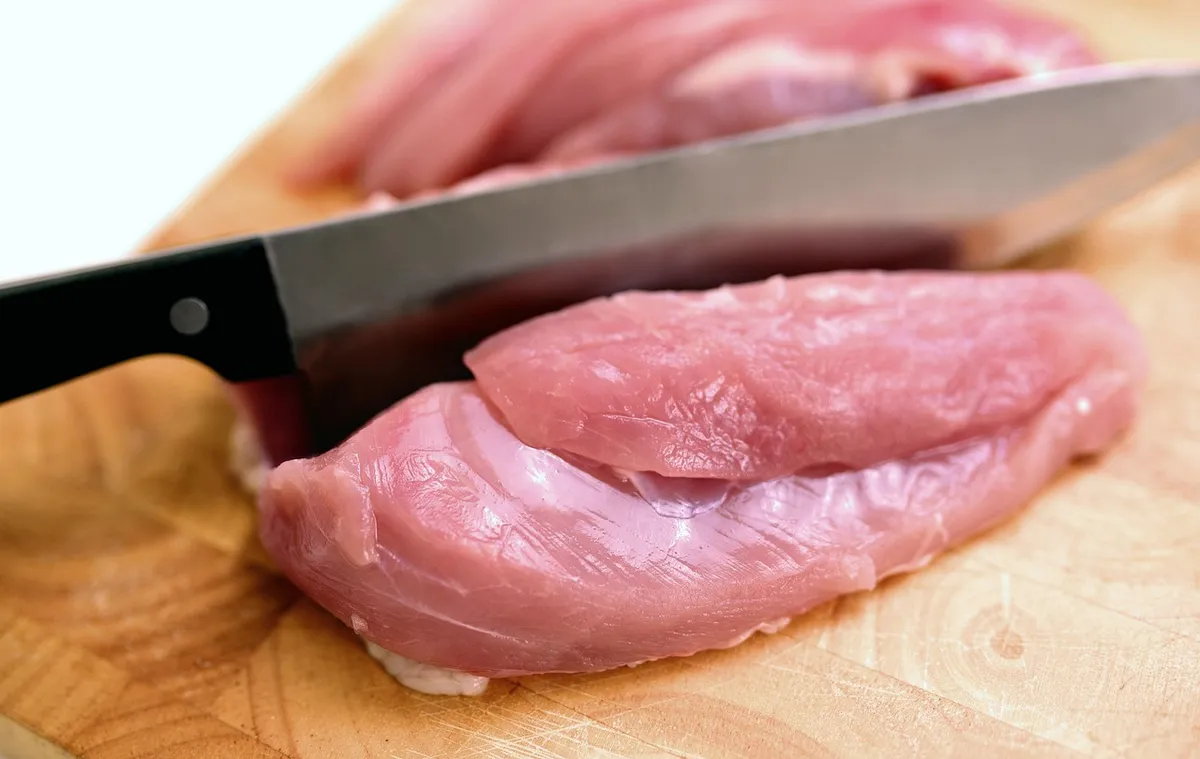
When I tried the steps in order, the second one is where I paused longest.
This order does not hold, however, when the figure is not 90%.
- How does the fascia structure affect meat texture?
- Why do different meat parts require unique heating methods?
- What is the difference between chicken and duck fascia?
Duck muscle fascia structure
The later part of this article returns to Duck muscle fascia structure.
The same subject is also called Duck meat texture by part.
The same subject is also called How heat affects duck fascia.
The same subject is also called Duck muscle structure variation.
The same subject is also called Fascia formation in duck meat.
This part also covers Duck meat quality factors.
This part also covers Heat treatment of duck meat.
This part also covers Duck meat characteristics.
Duck meat quality factors
Related

Comments 0