Pork Belly Tips: Managing Tough Connective Tissue Structure
"The secret to the perfect bite of pork belly lies not in the meat itself, but in the complex architecture of the connective tissue."
Understanding the structural relationship between fat and muscle in pork belly is essential for anyone looking to master high-heat cooking or precision butchery. This guide explores the biological role of the fascia, how it interacts with fat layers, and how to manage these textures in your kitchen.
* The functional role of fascia in meat structure. * How fat and muscle layers interact. * Practical tips for managing tough connective tissue. * The relationship between heat and collagen breakdown.
Why does the texture vary between layers?
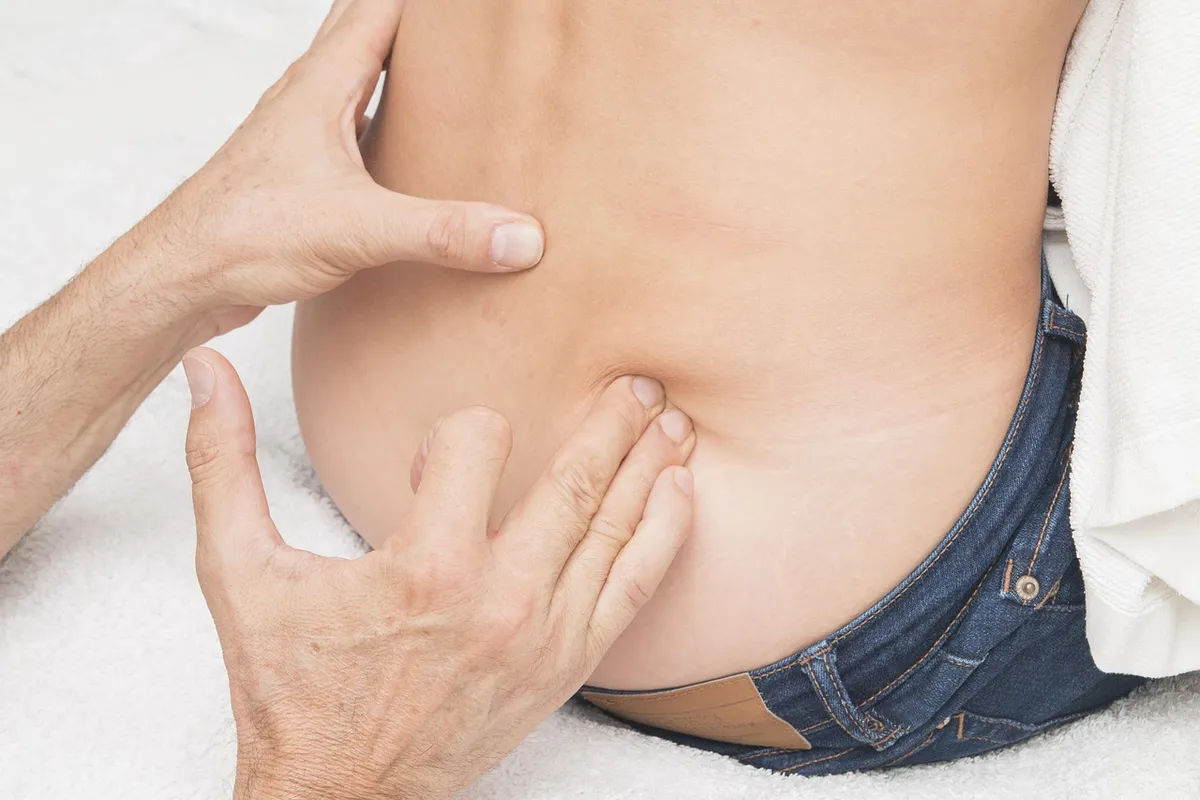
At dawn in the quiet kitchen, my fingers press against the alternating layers of pork to feel the contrast between soft fat and firm muscle.
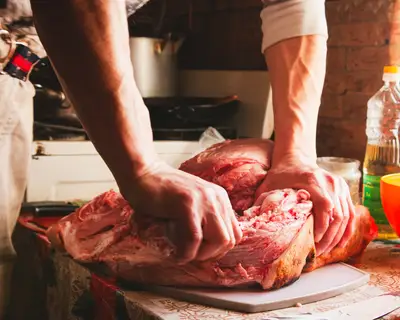
A heavy butcher knife rests on a wooden cutting board as a thick slab of pork belly is sliced into even strips. The alternating layers of meat and fat create a distinct visual pattern that defines the cut.
According to the Food and Agriculture Organization, the industrial production of beef and veal was estimated at 7 percent for 2002–2003.
The variation in texture occurs because pork belly is a composite of muscle tissue and adipose tissue, held together by a network of connective tissue known as fascia.
While the muscle provides protein and the fat provides moisture, the fascia acts as the structural glue that prevents the layers from separating during the cooking process.
In a typical pork belly cut, the muscle fibers are bundled into groups that are enveloped by thin, translucent sheets of connective tissue. This structure is vital for maintaining the integrity of the meat when it is subjected to heavy seasoning or mechanical handling.
When you cook the meat, these tissues respond differently to heat, which is why the mouthfeel can change so drastically from one bite to the next.
How does the fascia interact with fat and muscle?
Under the bright kitchen lights, I tug at the thin fascia to see how it tightly binds the pork to the surrounding fat.
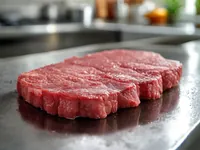
A chef carefully separates a piece of pork belly, noting the way the white fat layer sits snugly against the pink muscle. The tension in the meat seems to change as the knife passes through the different layers.
The interaction between the fascia and the fat layers is primarily about structural stability and moisture retention.

The fascia provides a framework that keeps the fat evenly distributed throughout the muscle, ensuring that the fat does not simply run out of the meat during the early stages of cooking.
This biological arrangement is designed to protect the muscle and provide a medium for energy storage. Because the fascia is composed of collagen, it is much tougher than the fat it surrounds.
In a well-structured piece of meat, the fascia creates a barrier that helps regulate the rate at which heat penetrates the muscle. This prevents the meat from drying out too quickly, as the fat-rich areas can absorb some of the heat-induced tension.
What happens to the structure during cooking?
The sizzle of a hot pan fills the kitchen as a thick slice of meat hits the surface, causing the fat to bubble and the connective tissue to tighten. The aroma of rendering fat rises immediately.
When heat is applied, the collagen within the fascia undergoes a transformation. This process is the key to turning a tough, rubbery cut into something tender and succulent.
As the temperature rises, the collagen fibers begin to shrink, which can cause the meat to tighten and lose moisture if cooked too quickly.
However, if the meat is cooked at a controlled temperature over a sufficient amount of time, the collagen begins to break down into gelatin. This is the primary goal of slow-cooking or braising.
The gelatin provides a silky, rich mouthfeel that compensates for the toughness of the original connective tissue. If the heat is too high and the cooking time is too short, the fascia remains tough and chewy, creating an unpleasant contrast with the melting fat.
How can you manage tough connective tissue?
A person stands at a kitchen counter, looking at a piece of meat with a particularly thick layer of white tissue. They hold a small paring knife, considering whether to trim the excess. According to USDA FoodData Central, the nutritional data provided is for 100g portions.
To manage the structural challenges of pork belly, you can follow these practical steps:
- Identify the thickest areas of connective tissue and consider trimming them if they exceed the expected thickness of the cut. 2. Use low-and-slow cooking methods to encourage the conversion of collagen into gelatin. 3. Slice the meat against the grain to break up the long fibers of the muscle and the tension of the fascia.
By following these steps, you can control the final texture of the dish. Checking the tenderness of the meat after a period of simmering can tell you if the collagen has sufficiently broken down. If the meat still feels bouncy or rubbery, it may need more time at a lower temperature.
What are the limitations of this structure?
A heavy rainstorm lashes against the window of a kitchen, making the indoor environment feel much warmer than the cold outdoors. The steam from a boiling pot clouds the glass.
The effectiveness of these structural techniques depends heavily on the specific cut and the environment. For instance, the thickness of the fat layer and the density of the muscle can change how heat is distributed.
In much thicker cuts, the center might remain tough even if the outside looks perfectly cooked.
Can you cook different cuts with the same method?
A person compares two different pieces of meat on a plate, one much leaner and the other much fattier. They wonder which one will respond better to the recipe they have planned.
Because the ratio of fat to muscle and the amount of fascia vary between different cuts, a single method may not work for everything. A cut with very high fat content might require much higher heat to render the fat properly, whereas a leaner cut might become dry before the fascia breaks down.
I have found that adjusting the slicing technique based on the specific thickness of the fat layer makes a significant difference in the final result. If I am working with a piece that has a very thick, tough fascia, I always plan for a longer braising period to ensure the collagen fully transforms.
When I tried the steps in order, the second one is where I paused longest.
This order does not hold, however, when the figure is not 25%.
- Why does the texture vary between layers?
- How does the fascia interact with fat and muscle?
- What happens to the structure during cooking?
| Item | Figure |
|---|---|
| 1 | 25% |
| 2 | 35% |
Related
Comments 0