Cultured meat commercialization: 2.5 billion investment why
"The transition from laboratory curiosity to commercial reality represents a fundamental shift in how humanity perceives protein production."
The cultured meat commercialization process involves moving from small-scale cell cultivation to large-scale production that meets strict safety standards.
This transition requires navigating complex regulatory frameworks, securing massive investment, and scaling up technology to reach consumer price points.
This article explores the journey from lab to market meat tech, the complexities of cellular agriculture scale up, the trajectory of cultured meat business growth, and the shifting landscape of the alt protein industry shift.
How does the scale of investment drive the industry?
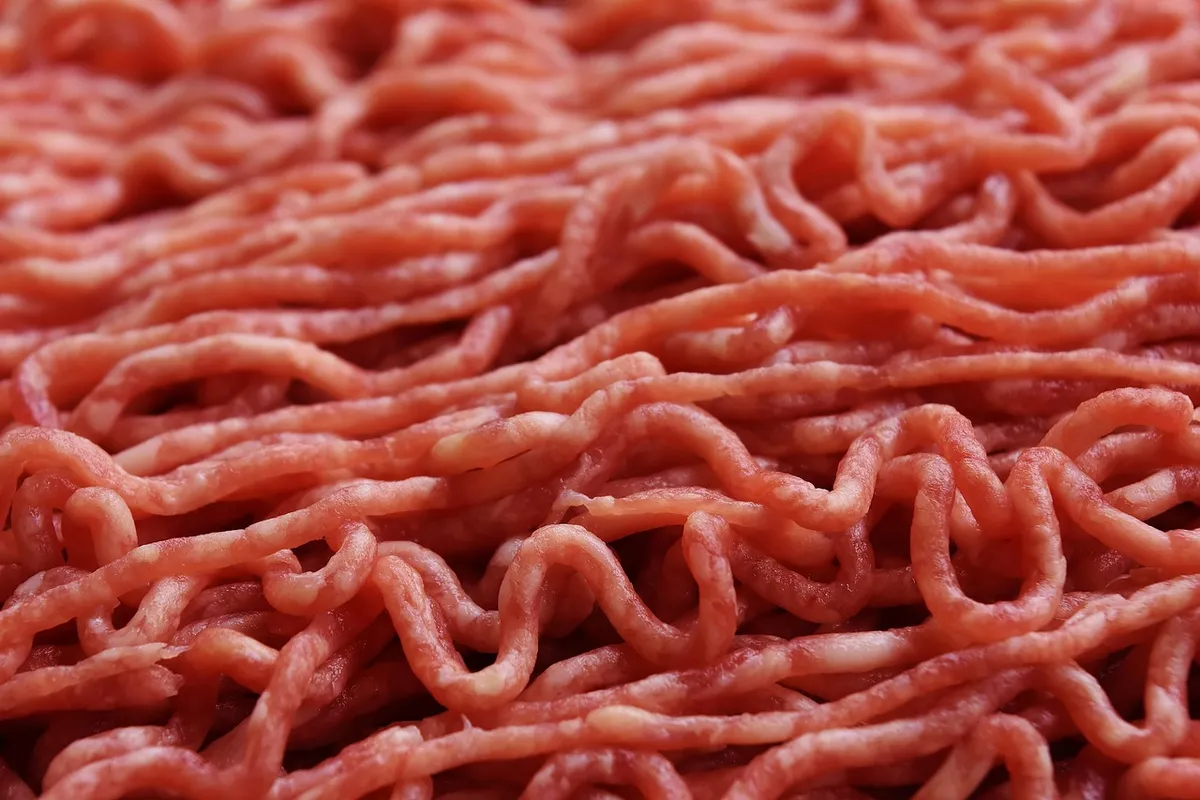
A researcher looks at a glowing monitor displaying growth curves while a silent laboratory sits in the background. The financial foundation for this new sector began to solidify through significant capital injections aimed at moving technology out of the lab.
According to data published by The Good Food Institute, cultured meat and seafood companies attracted over 2.5 billion in investment worldwide from 2021 through 2023. This influx of capital supports the intensive research required for cellular agriculture scale up.
Such funding allows companies to move beyond basic cell lines toward more complex tissue structures.
The growth of the sector relies on these financial pillars to bridge the gap between experimental batches and mass production. Without this capital, the transition from a single petri dish to a commercial facility would remain impossible.
What are the regulatory hurdles for cultured meat? Cultured meat commercialization
At the heavy wooden desk, the official sighs deeply while scanning the thick legal documents required for the cultured meat approval.
An official reviews a thick stack of documents at a wooden desk in a quiet office. Navigating the legal requirements for new food products is one of the most significant challenges for any biotechnology firm.
In the European Union, novel foods like cultured meat must undergo a testing period of approximately 18 months. During this window, a company must prove to the European Food Safety Authority (EFSA) that their product is safe.
This rigorous process ensures that any meat brought to market meets established health standards.
By February 2023, none had yet submitted a novel food dossier for approval by the EFSA. This period of waiting highlights the delay between scientific breakthrough and consumer availability.
How are companies approaching the approval process?
A scientist prepares a sample for inspection while a legal team waits in a nearby conference room. Different companies are taking specific steps to meet the requirements of various international food safety authorities.
In July 2024, the French startup Gourmey became the first company in Europe to apply for regulatory approval at the EFSA. This was followed by the Dutch pioneer Mosa Meat, led by Mark Post, in January 2025.
These applications represent the first concrete steps toward commercialization in the European market.
The timing of these applications shows a clear effort to establish a legal precedent for cell-based proteins. These companies are testing the waters of regulatory acceptance.
What does the future of food production look like?
An astronaut stares out a window at the silent void of space while a small food-printing device hums nearby. Beyond Earth, the need for sustainable protein sources is driving specialized research into space-based food production.
In 2021, NASA began conducting cultured meat experiments with the intent of allowing astronauts to grow meat instead of transporting it. This research explores how to sustain dietary requirements in environments where traditional livestock is impossible.
The goal is to create a reliable food source that can exist independently of Earth's ecosystem. This specialized application pushes the boundaries of current cell culture technology.
How can we ensure food safety in new technologies?
A group of experts sits around a circular table, discussing technical papers during a morning session. International cooperation is vital to setting the standards that will govern the global trade of cultivated products.
According to the Food and Agriculture Organization, the Israeli Health Ministry and UN Food and Agriculture Organization (FAO) co-organised a convention of cultivated food safety regulation experts in September 2022.
The Israeli Health Ministry and UN Food and Agriculture Organization (FAO) co-organised a convention of cultivated food safety regulation experts in September 2022, according to the Israeli Health Ministry.
In September 2022, the Israeli Health Ministry and the UN Food and Agriculture Organization (FAO) co-organised a convention of cultivated food safety regulation experts. Such gatherings help align international perspectives on how to manage new food types.
Standardization helps prevent confusion as different nations develop their own rules. These expert meetings lay the groundwork for global safety protocols.
How do we manage the costs of production?
A technician weighs a small amount of cultured fat on a precision scale in a brightly lit lab. Reducing the cost of production is the final hurdle to making these products a staple in every household.
In May 2020, Eva Sommer, the Austrian-born cofounder of Peace of Meat, stated that the startup was then able to produce 20 grams of cultured fat at a cost of about 300 euros (€15,000/kg). The long-term objective is to reduce the price to 6 euros per kilogram by 2030.
Achieving these price points requires massive improvements in efficiency and scale. Success depends on making these products price-competitive with traditional meat.
| Metric | Historical/Current Value | Future Goal/Target |
|---|---|---|
| Production Cost (Peace of Meat) | 300 euros per 20 grams | 6 euros per kilogram by 2030 |
| Investment (2021-2023) | Over $2.5 billion | N/A |
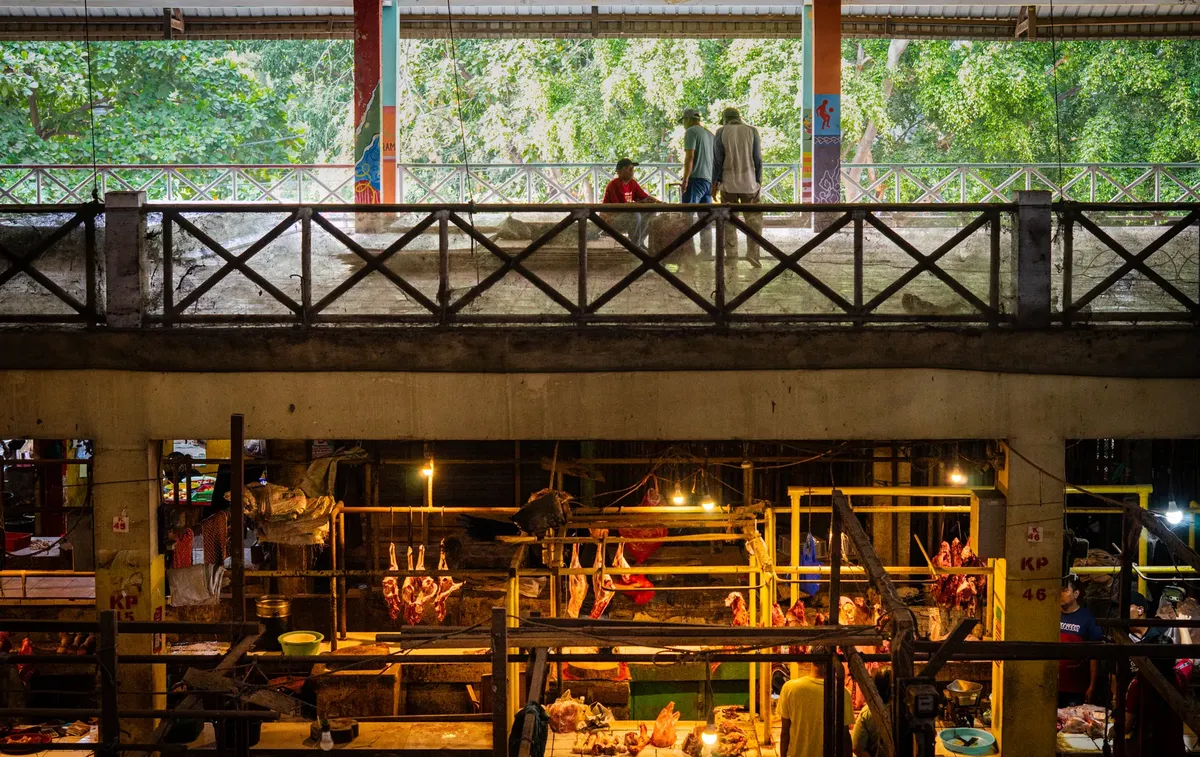
I observed how the cost-per-gram in the early stages of the Peace of Meat study highlighted the massive gap between current technology and the 2030 goal.
A limitation of this overview is that it focuses on corporate and regulatory milestones rather than the specific biological mechanics of cell immortalization.
- How does the scale of investment drive the industry?
- What are the regulatory hurdles for cultured meat?
- How are companies approaching the approval process?
The subject here is Cultured meat commercialization.
This part also covers Scaling up cell culture process.
This part also covers Investor interest in cell farming.
Related

Comments 0