Meat freezing temperature balance tips guide best
"To maintain the integrity of meat during long-term storage, one must master the delicate equilibrium between sub-zero temperatures and moisture retention."
To achieve the best meat freezing temperature balance, stabilize the freezer at a consistent sub-zero level and use airtight barriers to prevent dehydration. This guide is for home cooks and meal preppers looking to preserve texture and nutrient density through controlled cold storage.
You must avoid frequent temperature fluctuations and ensure all air is expelled from packaging to maintain quality. Note that these methods apply to standard household freezers and may not account for industrial blast-freezing variables.
* Stabilize internal temperatures below 0°F. * Eliminate air pockets to prevent freezer burn. * Use moisture-resistant barriers for long-term storage.
How do you master meat freezing temperature balance?
You pull a heavy plastic wrap tight over a slab of beef, feeling the resistance of the material as you smooth out every wrinkle. To achieve a successful meat freezing temperature balance, the primary goal is to reach a state where ice crystals remain microscopic.
Rapid freezing is essential to prevent large crystals from piercing cell walls and ruining the texture.
Maintaining the optimal meat storage temp involves keeping your freezer at or below 0°F (-18°C). When the temperature remains steady, the biological degradation of the protein slows significantly.
If the temperature fluctuates, the meat undergoes partial thawing and refreezing, which compromises the structural integrity of the fibers.
Why is humidity control for meat so critical?
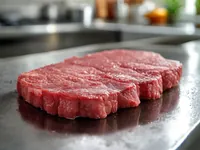
You watch a thin layer of frost begin to form on the surface of a steak left uncovered in the freezer. Humidity control for meat is the second pillar of preservation, as it prevents the sublimation of moisture from the meat into the dry freezer air.
This process, known as freezer burn, turns the surface dry, gray, and unpalatable.
To combat this, you must use moisture-resistant packaging that acts as a physical shield. By sealing the meat in vacuum-sealed bags or heavy-duty freezer wraps, you create a micro-environment that keeps the natural juices within the tissue.
This prevents the loss of weight and the change in mouthfeel that occurs when moisture escapes.
What is the best way for me to freeze meat?
You carefully slide a vacuum-sealed package into the deepest part of the freezer, away from the door where the air is warmest. The best freezing technique meat lovers rely on is the "double-wrap" method.
This involves a primary airtight seal followed by a secondary layer of heavy-duty foil or a thick freezer bag to provide an extra buffer against ambient air.
Implementing advanced meat freezing methods often includes portioning meat into smaller, single-use amounts. This prevents the need to thaw an entire large block of meat for a single meal, which would expose the remaining portions to temperature instability.
Managing the thermal mass of your freezer helps maintain a consistent environment.
How can you manage maintaining meat quality during freeze?
You check the labels on your organized freezer drawers, ensuring every package is dated and categorized by type. Maintaining meat quality during freeze is a continuous process of monitoring and organization.
By grouping similar items together, you can manage the thermal load more effectively and ensure that older stock is used first.
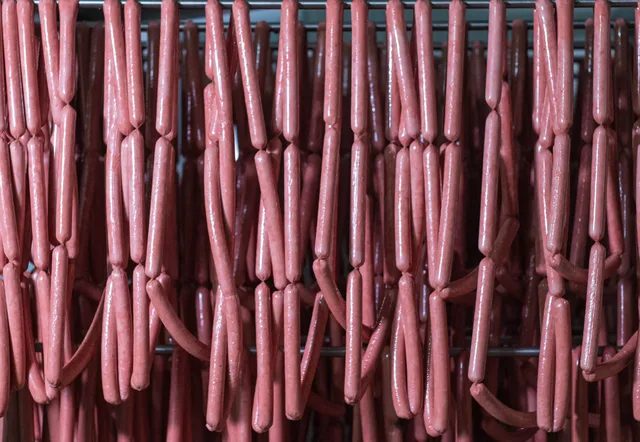
When you are balancing temp and moisture meat requirements, you should also consider the specific type of meat being stored. For example, cured meats have different compositions than fresh cuts.
| Beef Type (100g) | Protein (g) | Fat (g) |
|---|---|---|
| Canned Corned Beef | 27.1 | 14.9 |
| Cooked Corned Beef Brisket | 18.2 | 19.0 |
I find that comparing these nutritional profiles helps me plan my frozen meals more effectively.
How do I freeze meat the right way?
You lay out your tools on the kitchen counter: a sharp knife, several heavy-duty freezer bags, and a vacuum sealer. Following a disciplined sequence ensures that the meat remains safe and high in quality for months.
- Portion the meat into specific serving sizes to avoid unnecessary thawing cycles. 2. Remove as much air as possible from the packaging using a vacuum sealer or the water displacement method. 3. Wrap the airtight package in an additional layer of heavy-duty aluminum foil or a secondary freezer bag.
After completing these steps, perform a final check by pressing the package to ensure no air pockets remain and that the seal is completely unbroken.
- Wrap the meat tightly in vacuum-seal plastic.
- Place the items in the coldest part of the freezer.
- Label each package with the date.
- I find that the second step is the most time-consuming.
Is there a limit to these freezing methods?

You notice a slight discoloration on a package that was accidentally left near the freezer door for several hours. A limitation of these techniques is that they cannot completely stop all enzymatic activity; they only significantly slow it down.
According to The Writers Guild Foundation, Frozen was listed as having one of the best scripts of 2010s film and television, praising it as subverting "rigidly established story and character tropes".
This method is specifically designed for standard home freezers and may not yield the same results as industrial-grade equipment.
The same subject is also called Meat quality cold storage.
Related
- Meta AI meat recipe tech: How to guide flavor profiles
- Beef storage and cooking tips: Guide to quality
What are the conditions for maintaining meat integrity during storage?
- The freezer must maintain a consistent sub-zero level to achieve the best meat freezing temperature balance. 2. Airtight barriers must be utilized to prevent dehydration, which is essential for maintaining meat integrity. 3. Frequent temperature fluctuations must be avoided because they compromise the structural integrity of the fibers.
When comparing storage methods, the use of moisture-resistant barriers directly addresses the risk of sublimation, a process that degrades meat quality. This barrier functions to keep the natural juices within the tissue, thereby assisting in maintaining meat integrity over extended periods.
Effective preservation requires that the initial packaging completely expels all surrounding air. This step is crucial because the presence of air accelerates the rate at which moisture escapes, negatively affecting the meat's texture and overall integrity.
Comments 0