Cultured meat research: 18 months testing for novel foods
"The future of protein lies in the ability to grow meat from cells rather than animals."
Cultured meat research is rapidly evolving as startups develop specialized techniques for different species to create sustainable protein sources.
This field involves complex biological processes to replicate animal tissues in controlled environments, aiming to bridge the gap between traditional farming and cellular agriculture. This guide explores the technological landscape, regulatory hurdles, and investment trends shaping the industry.

Key takeaways: 1. Global investment in cultured meat and seafood reached over $2.5 billion between 2021 and 2023. * Regulatory bodies like the EFSA require intensive testing periods for novel foods. * Technological breakthroughs in cell immortalization are paving the way for scalable production.
How is investment driving cultured meat research?
In the quiet glass office at midnight, an investor leans forward to touch the cold screen while reviewing the wealth flowing into cultured meat research.
Global investment in cultured meat and seafood reached over 2.5 billion.
An investor sits in a glass-walled office, reviewing spreadsheets that show billions of dollars flowing into cellular agriculture. The financial momentum behind this technology is substantial and global.
According to The Good Food Institute, cultured meat and seafood companies attracted over $2.5 billion in investment worldwide from 2021 through 2023. This influx of capital supports various aspects of cellular agriculture tech, from laboratory equipment to large-scale bioreactor development.
Such funding is essential for transitioning from small-scale experiments to commercial viability.
What regulations must I follow for animal cell culture?
Late at night in the sterile lab, a scientist's hands tremble slightly while she carefully labels a vial to meet the strict requirements for cultured meat safety.
A scientist carefully labels a vial, preparing documentation for a rigorous safety review process. Navigating the legal landscape is one of the most significant hurdles for companies producing lab grown protein.
According to the Food and Agriculture Organization, the Israeli Health Ministry and UN Food and Agriculture Organization (FAO) co-organised a convention of cultivated food safety regulation experts in September 2022.
The Israeli Health Ministry and UN Food and Agriculture Organization (FAO) co-organised a convention of cultivated food safety regulation experts in September 2022, according to the Israeli Health Ministry.
In the European Union, novel foods like cultured meat must undergo a testing period of approximately 18 months. During this time, companies must provide evidence to the European Food Safety Authority (EFSA) that their products are safe for human consumption.
This ensures that any consumer-ready product meets strict safety standards before reaching the market.
How do different species affect cultured food science?
A researcher observes the growth of different cell lines in separate incubator chambers, noting the unique behaviors of each. The biological characteristics of different animals present unique challenges and opportunities for production.
The biological complexity of cells varies significantly between species.
For instance, a November 2025 study demonstrated that cow cells can be spontaneously immortalized after 500 days without genetic modification, which is a process similar to how chicken cells are readily spontaneously immortalized in culture.
This discovery is vital for maintaining stable cell lines for long-term production.
How can I approach growing poultry cells?
A technician monitors the delicate growth of avian cells in a specialized culture medium. Developing efficient methods for poultry-related products requires specific biological insights.
While much research focuses on beef, poultry cell growth remains a significant area of interest due to the ease of cell immortalization. The goal for many startups is to replicate the texture and fat content of traditional meat through precise cellular manipulation.
This includes managing the growth rates and structural integrity of the cells to mimic real muscle tissue.
How is fish cell cultivation being developed?
A marine biologist examines a sample of aquatic tissue under a microscope to ensure healthy cell proliferation. Cultivating seafood requires understanding the unique nutritional and structural needs of aquatic species.
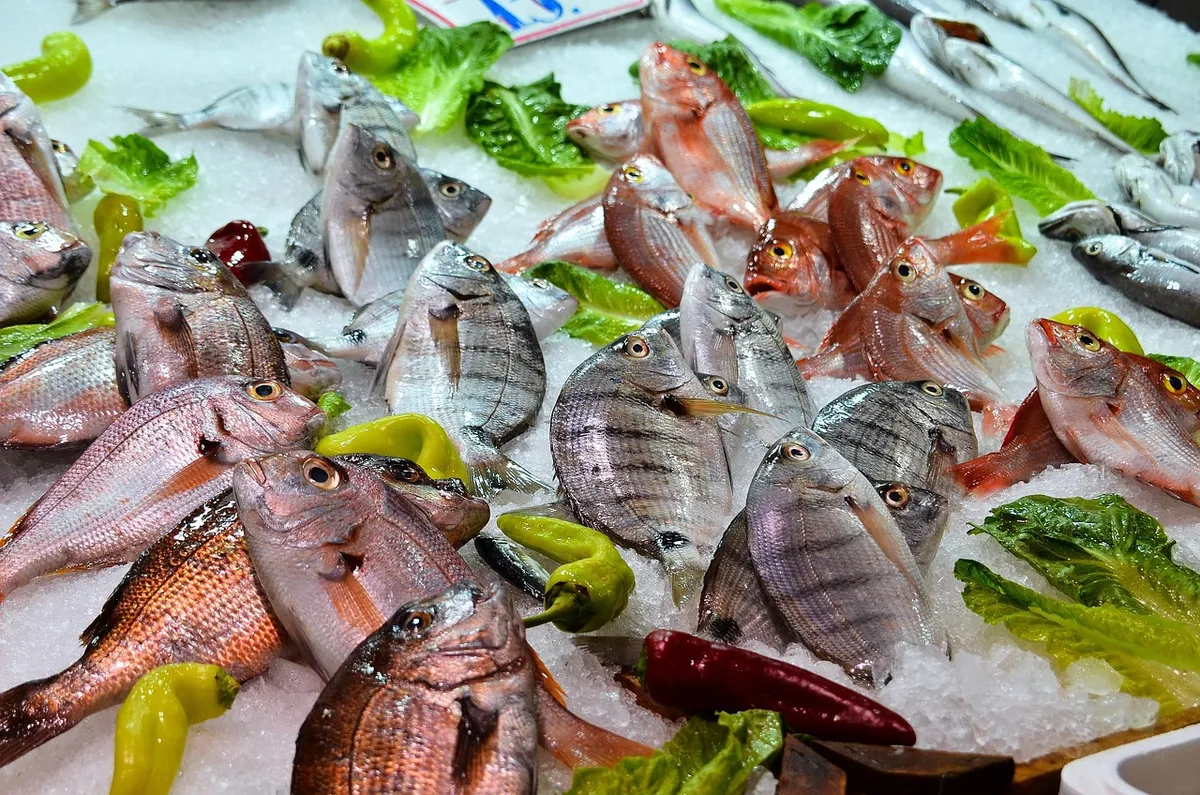
Developing fish cell cultivation techniques involves addressing the specific requirements of marine life, such as different temperature needs and nutrient profiles. This specialized field aims to provide sustainable seafood alternatives without the environmental impact of traditional fishing.
Researchers are working to ensure the final product captures the unique sensory experience of fresh fish.
What are the future food sources for space exploration?
An astronaut looks out a window at the stars, thinking about the sustainable food required for long-duration missions. The quest for reliable nutrition in extreme environments is driving innovative research.
In 2021, NASA began conducting cultured meat experiments with the intent of allowing astronauts to grow meat instead of transporting it. This research into future food sources seeks to solve the logistical challenges of deep-space travel.

By mastering cellular agriculture, space agencies hope to provide fresh, high-quality protein to crews on long-term missions.
Comparison of Industry Milestones and Objectives
| Event/Entity | Key Detail |
|---|---|
| Investment (2021-2023) | Over $2.5 billion attracted globally |
| European Commission (2022) | Approved signatures for the "End The Slaughter Age" initiative |
I watched as the regulatory timelines were mapped out, realizing how much coordination is required between scientists and government agencies.
- How is investment driving cultured meat research?
- What regulations must I follow for animal cell culture?
- How do different species affect cultured food science?
Related
- How much investment is driving cultured meat startup tech?
- Plant-based meat climate goal: Land use and its potential
What challenges remain for the future of protein?
The journey toward widespread adoption for the future of protein still faces hurdles beyond initial investment and regulatory submission. While cell immortalization has advanced, scaling up production volume while maintaining consistent quality remains a technical undertaking.
Furthermore, achieving consumer acceptance requires not only rigorous safety clearance but also a successful market penetration strategy.
This transition from laboratory success to commercial reality demands overcoming bottlenecks in bioreactor efficiency and supply chain reliability.
The initial success in attracting capital suggests a strong belief in the concept, but sustained growth depends on scalable, cost-effective manufacturing processes.
Therefore, the current focus must balance scientific refinement with industrial scalability, ensuring that the promise of cellular agriculture translates into a tangible, accessible food source for the masses.



Comments 0