Pork belly 4 tips to check the layers quality
This article is about quality. "The beauty of a perfect slice lies in the rhythm of fat and meat."
Understanding the unique arrangement of layers in pork belly is the first step to mastering the grill. This guide explores the anatomy of the cut, the biological reason for its texture, and how to identify quality meat.
* The alternating pattern of fat and muscle * The importance of rind and skin thickness * Choosing the right cut for different cooking methods
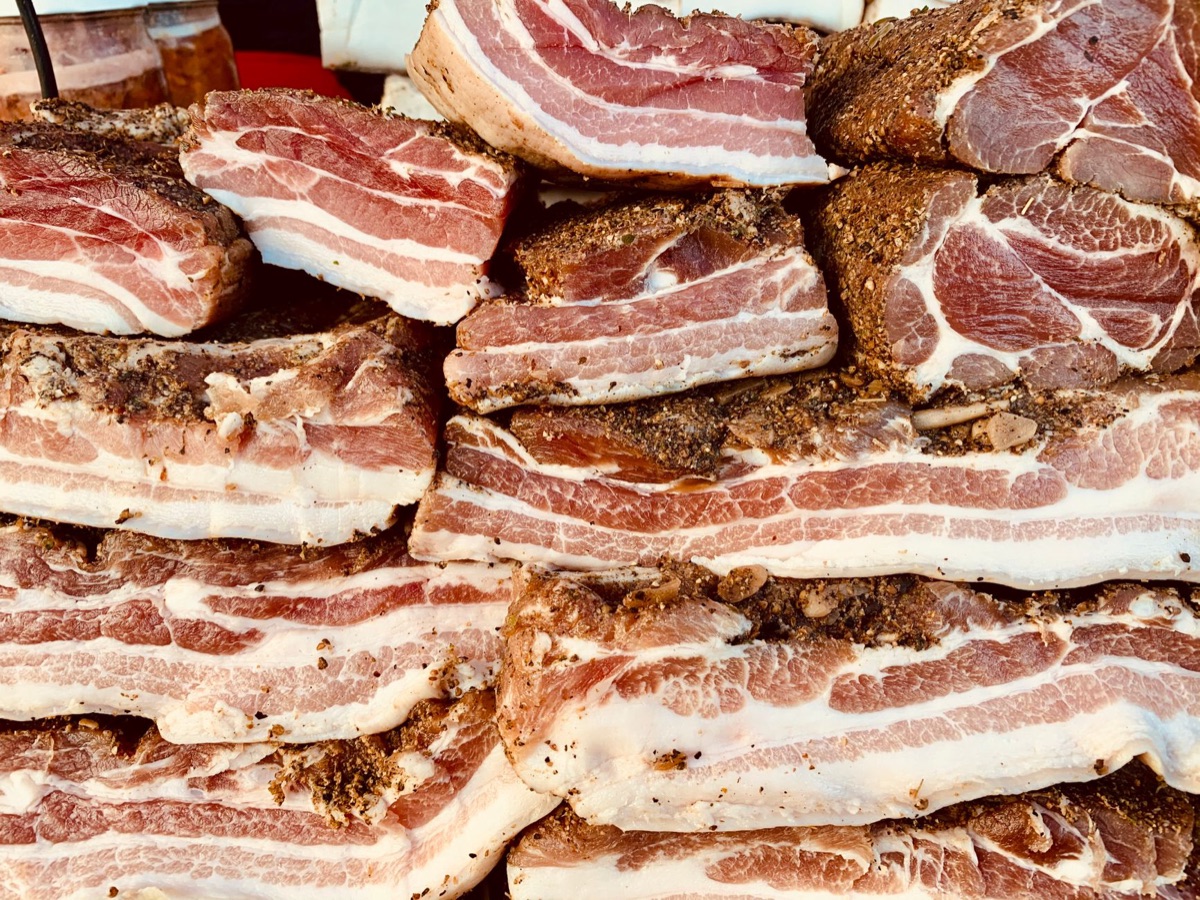
What defines the layers of pork belly?
A heavy ceramic plate sits on a wooden table, holding thick, pinkish slices of meat. The meat shows alternating bands of deep red muscle and creamy white fat.
The structure of pork belly is defined by the alternating layers of adipose tissue and muscle fiber. This specific arrangement occurs because the cut is taken from the abdominal area of the pig, where the muscle layers and subcutaneous fat are naturally stratified.
The top layer is typically the skin, which provides a firm texture when rendered. Beneath the skin lies a layer of subcutaneous fat, followed by the muscle meat, another layer of fat, and then the deeper muscle tissue.
This repetitive structure is what gives the cut its name and its signature mouthfeel.
According to the National Agricultural Cooperative Federation, historical consumption patterns show how these layers have been prized for their flavor profile. The fat acts as a flavor carrier, melting during cooking to baste the meat.
Why does the fat and meat ratio matter?
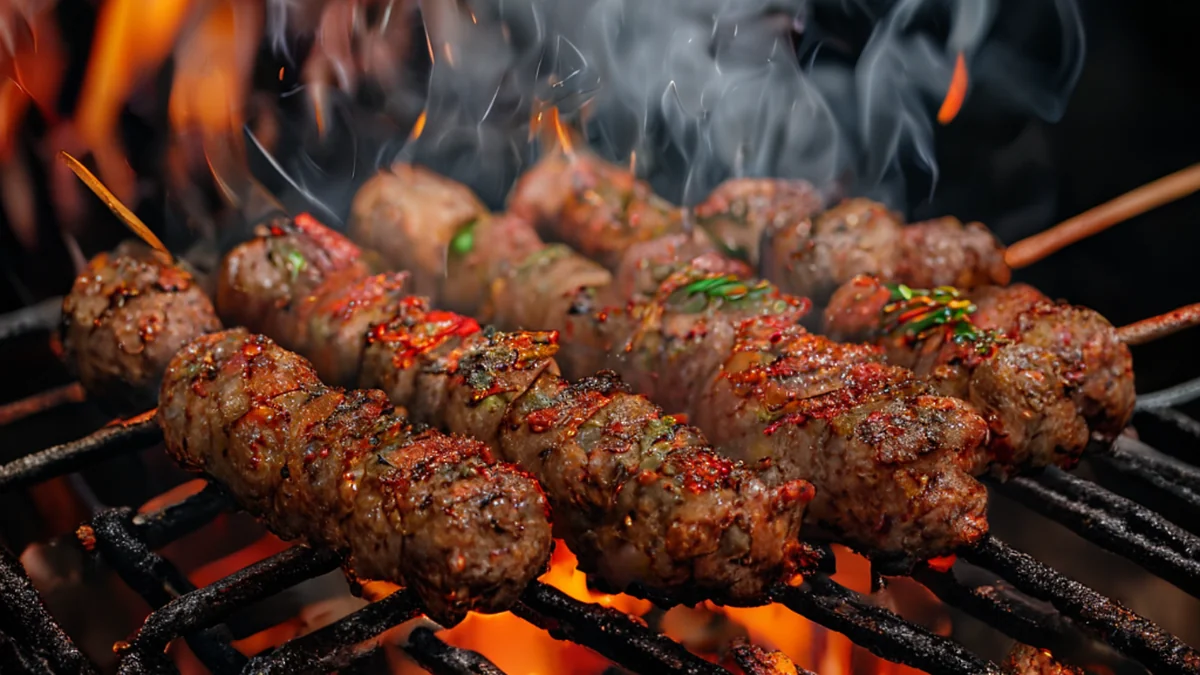
A chef holds a knife, slicing through a slab of meat with practiced ease. The blade glides through a thick white layer before meeting resistance from the red muscle.
The ratio between the fat and meat determines the juiciness and richness of the final dish. If the fat layer is too thick, the meat may become greasy; if it is too thin, the dish may lack the necessary moisture and flavor.
| Feature | Thick Fat Layer | Thin Fat Layer |
|---|---|---|
| Cooking Method | Slow roasting or braising | Quick grilling or frying |
| Flavor Profile | Rich, heavy, and savory | Lean, clean, and meaty |
| Texture | Melts in the mouth | Chewy and firm |
When selecting a cut, look for layers that are consistent in thickness. This ensures that the meat cooks evenly. If one layer is significantly thicker than the others, you may end up with parts that are burnt while other parts remain raw.
I remember standing in a butcher shop last winter, looking at a slab that seemed almost entirely white. I hesitated, wondering if there would be enough meat to satisfy my appetite. It was a lesson in visual balance.

How can you identify quality pork belly?
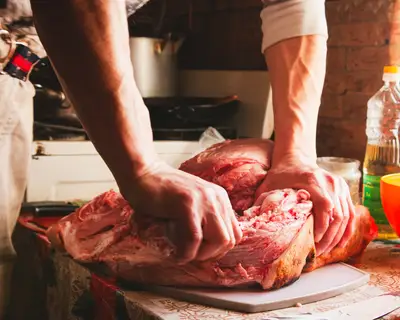
The sunlight hits a butcher's block, illuminating the marbled texture of a fresh cut. A hand reaches out to press gently on the surface of the meat.
According to the Food Safety and Inspection Service, 210 kg of Polidori brand fully cooked pork sausage crumbles were once found to contain Listeria monocytogenes.
Quality is found in the color and the firmness of the layers. Healthy pork should have a pale pink to reddish muscle and a clean, creamy white fat. If the fat looks yellowish or translucent, it may indicate older meat or improper storage.
- Check the color of the muscle and fat. 2. Press the meat to ensure it is firm and not mushy. 3. Verify that the skin is intact and clean. 4. Smell the meat to ensure there is no sour or off-putting odor.
The layers should be distinct and not "blurry" or oily to the touch. If the fat feels greasy before cooking, it might be a sign of poor quality or temperature fluctuations during transport.
A limitation to this visual assessment is that fat color can vary naturally based on the pig's diet, such as corn-fed versus grain-fed, which doesn't always indicate freshness.
Is the skin part of the layers?
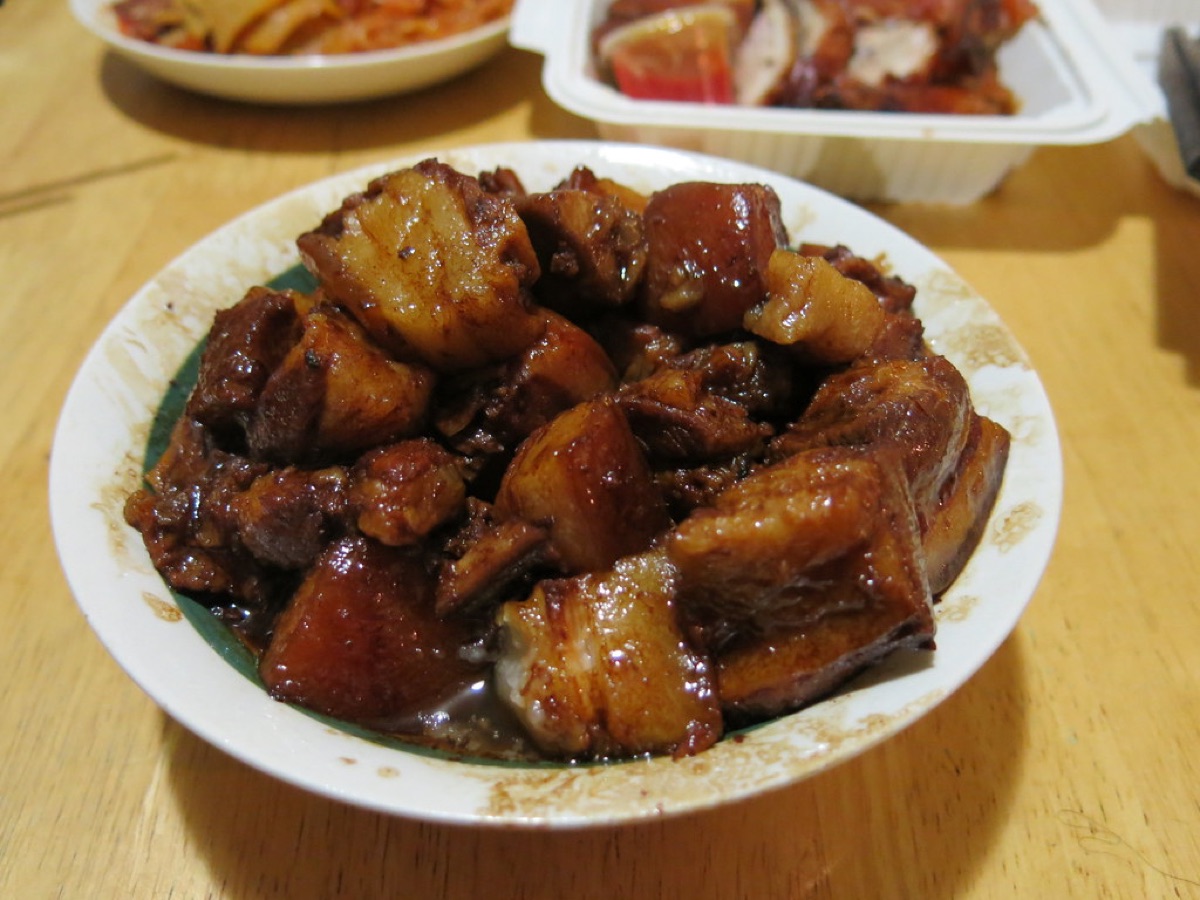
A heavy iron skillet sizzles on a stove, and the sound of crackling skin fills the kitchen. A spatula flips a piece of meat, revealing a golden-brown crust.
The skin is an integral part of the abdominal layers and adds a unique textural element. When cooked correctly, the skin can become crispy, providing a sharp contrast to the soft fat and tender meat.
In many culinary traditions, the skin is left on to hold the layers together during slicing. However, if you prefer a softer texture, the skin can be removed before cooking. The thickness of the skin can vary, but it should ideally be thin enough to render down without being overly chewy.
The presence of the skin also protects the underlying fat from drying out too quickly during high-heat cooking. This helps maintain the moisture within the muscle layers.
How do different cooking methods affect the layers?
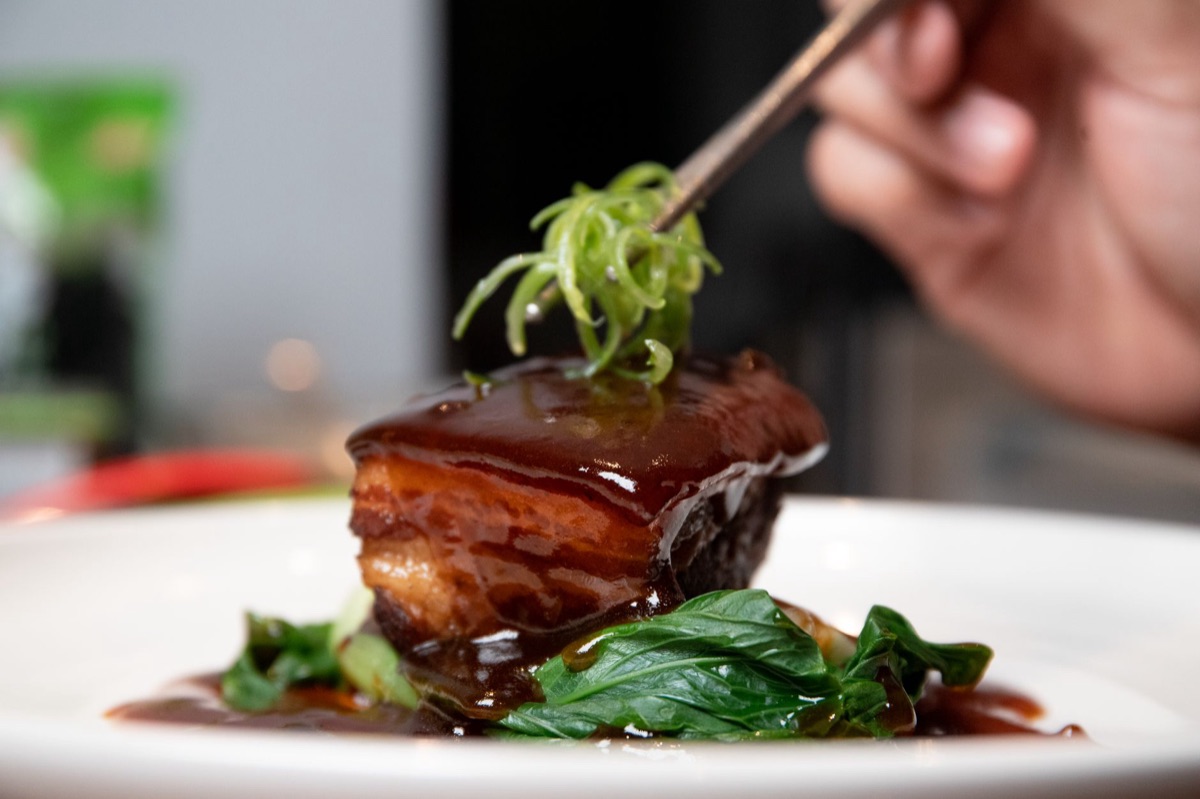
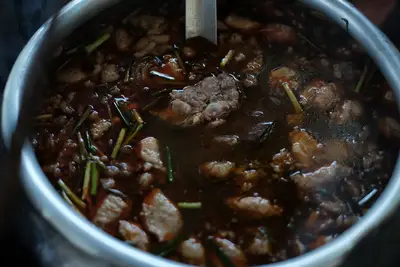
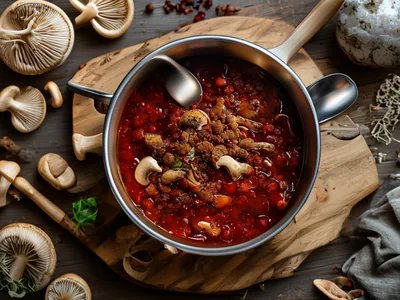
A heavy pot of water bubbles, and the steam rises to the ceiling. A wooden spoon stirs a thick, savory sauce containing chunks of meat.
The USDA recommends cooking ground pork to an internal temperature of 160 °F, a standard that was relevant when Changhua set a Guinness World Record for the largest braised pork rice in 2012.
The way you apply heat will change the physical state of the layers. Heat breaks down the connective tissue and melts the fat, which then penetrates the muscle.
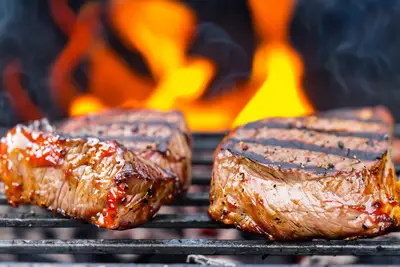
* Grilling: High heat renders the fat quickly, creating a crispy exterior. * Braising: Slow, moist heat allows the fat to melt into the liquid, creating a rich sauce. * Roasting: The fat renders slowly, basting the meat and creating a tender interior.
If you are boiling or steaming, the layers will remain soft and succulent. For these methods, a slightly higher fat-to-meat ratio is often preferred to prevent the meat from becoming dry.
When I tried the steps in order, the second one is where I paused longest.
Comments 0