Global meat eating habits: tips for modern ethical movements
"The global conversation surrounding meat consumption often intersects with cultural traditions and evolving animal welfare standards."
Global meat eating habits vary significantly as societies navigate the tension between long-standing culinary traditions and modern ethical movements.
This analysis examines how specific meat consumption trends, particularly regarding certain animals, have triggered international petitions and legislative debates.
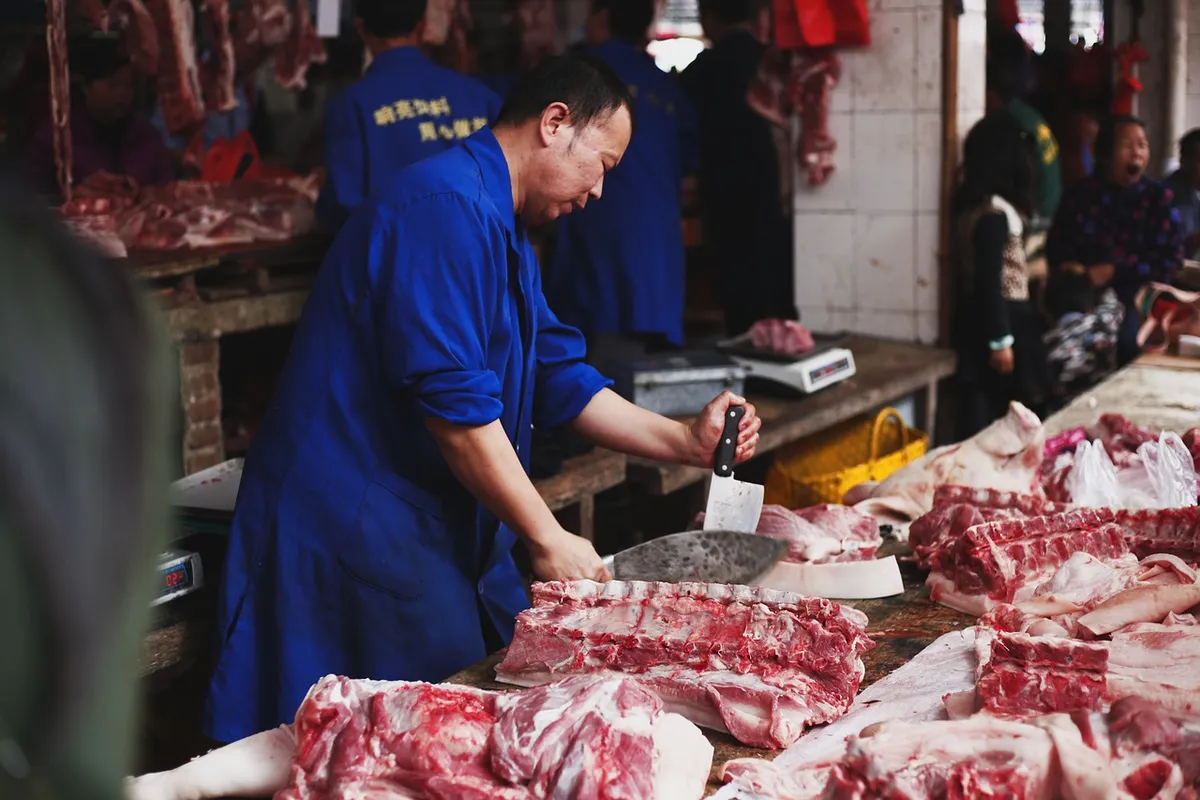
Key takeaways include the influence of large-scale animal rights petitions, the role of international political pressure on local food habits, and the specific legal debates occurring in national parliaments.
How do modern movements influence global meat eating habits?
At dawn, a protester grips a heavy sign while feeling the cold wind, signaling a shift in global dietary trends.
A massive stack of papers sits on a desk, representing millions of voices calling for change in dietary laws.
In 2018, Humane Society International/Korea, Korea Animal Rights Advocates (KARA), and the petition site Care2 hand-delivered a petition containing 1 million signatures to the Blue House in Seoul. This action included a letter urging the president to initiate a phase-out of dog meat farms.
These movements aim to shift how societies view specific protein sources. While the scale of these petitions is massive, the impact depends on how governments respond to public sentiment. Large-scale signatures serve as a tool to transition traditional diets toward different standards.
What drives the prevalence of meat diets in changing societies?
An activist organizer looks over a list of supporters, preparing to submit a significant document to a governing body. As of 2023, the Soi Dog Foundation is collecting 1.5 million signatures to submit a petition to ban dog meat to the Communist Party of Vietnam.
This effort highlights how global advocacy groups target specific regional food patterns to influence policy.

The prevalence of meat diets often meets resistance when the animals involved become subjects of international concern. These efforts seek to change the dietary landscape through political pressure. Such movements often gain momentum during major international events or through digital platforms.
What are the historical roots of meat consumption trends?
A vintage newspaper clipping from the early 2000s describes a heated debate during a global sporting event.
During the 2002 FIFA World Cup, Brigitte Bardot, head of La Fondation Brigitte Bardot, launched a campaign to have dog meat outlawed in South Korea and encouraged a boycott of the games unless a ban took place. This shows how global visibility can spark dietary shifts.
These historical moments illustrate how meat consumption trends are often tied to international reputation. Such campaigns can turn local dietary habits into global talking points. The goal is often to align traditional practices with evolving international norms.
How do legislative bodies address specific meat inclusion in diets?
A parliamentary hall stands silent as lawmakers prepare to discuss a controversial topic of food trade. On September 12, 2016, a second debate on South Korea's dog meat trade was held in the UK Parliament by the Petitions Committee, following an online petition started on petition.parliament.uk.

This demonstrates how dietary issues can transcend national borders.
Legislative debates provide a formal arena to discuss the ethics of specific food sources. These discussions often follow significant public outcry or digital petitions. Such debates can lead to permanent changes in how certain meats are regulated or banned.
What role does local governance play in food habits?
A city official reviews a public health advisory regarding food safety and consumption. In 2019, the Food Safety Management Board in Ho Chi Minh City urged people to stop consuming dog meat.
This local administrative action reflects internal efforts to manage dietary shifts within specific urban centers.
Local authorities often provide guidance to steer public behavior toward new standards. These urges can be part of a broader strategy to modernize food safety and animal welfare. Such directives often target specific demographic groups or urban populations.
How can we compare different meat-related dietary changes?
A researcher compares two different sets of data to understand the scale of social movements. Based on data from USDA FoodData Central, cooked corned beef brisket contains 251kcal of energy and 18.2g of protein per 100g.
| Movement Scale | Target/Context |
|---|---|
| 1 million signatures | Blue House, Seoul (2018) |
| 1.5 million signatures | Communist Party of Vietnam (2023) |

I observed how these massive numbers represent a shift in how people view specific animal proteins. These comparison points show the growing scale of dietary advocacy.
The effectiveness of these movements is often limited by the existing cultural attachment to specific food sources.
- How do modern movements influence global meat eating habits?
- What drives the prevalence of meat diets in changing societies?
- What are the historical roots of meat consumption trends?
The same subject is also called World diet meat intake.
The same subject is also called Common food patterns.
The same subject is also called Global eating styles.
This part also covers Worldwide food habits analysis.
Related
- How do carcass mass and human intake differ?
- Sacrum meat structural traits unique to cattle beef texture
What are the implications of these global conversations?
- The global conversation regarding meat consumption reflects a growing tension between established culinary practices and emerging ethical considerations. 2. The influence of large-scale animal rights petitions demonstrates how public sentiment can translate into tangible political pressure. 3. International political pressure on local food habits often manifests through legislative scrutiny in national parliaments.
These trends suggest that the global conversation is not merely anecdotal but is actively shaping policy frameworks. The specific legal debates occurring in national parliaments often serve as the final stage for these societal shifts.
How do local actions relate to the global conversation?
- Local administrative actions, such as those taken in Ho Chi Minh City, provide a localized response to the broader global conversation. 2. These internal efforts to manage dietary shifts align with the wider movement to modernize food safety and animal welfare. 3. The specific targeting of demographic groups by local authorities mirrors the focused nature of international advocacy.
The comparison between the localized guidance from city officials and the massive signature drives shows different scales of influence within the global conversation. Local governance often acts as an implementation layer for broader ethical concerns.
The effectiveness of these movements, whether local or international, remains conditional upon the existing cultural attachment to specific food sources. This attachment presents a persistent challenge to the transition toward different standards in the global conversation.







Comments 0