Livestock environmental impact: 34% nitrous oxide guide
"The global scale of animal farming footprint is often invisible to the consumer, yet it shapes the very atmosphere we breathe and the land we inhabit."
Understanding the livestock environmental impact requires looking at how animal production interacts with global resources and climate stability.
This guide examines the ecological footprint of meat production, the regulatory history of antibiotic use, and the transition toward a sustainable food system.
We will explore how current farming methods affect emissions and land use, while noting that specific outcomes depend heavily on regional agricultural practices and management techniques.
How does the livestock environmental impact affect our atmosphere?
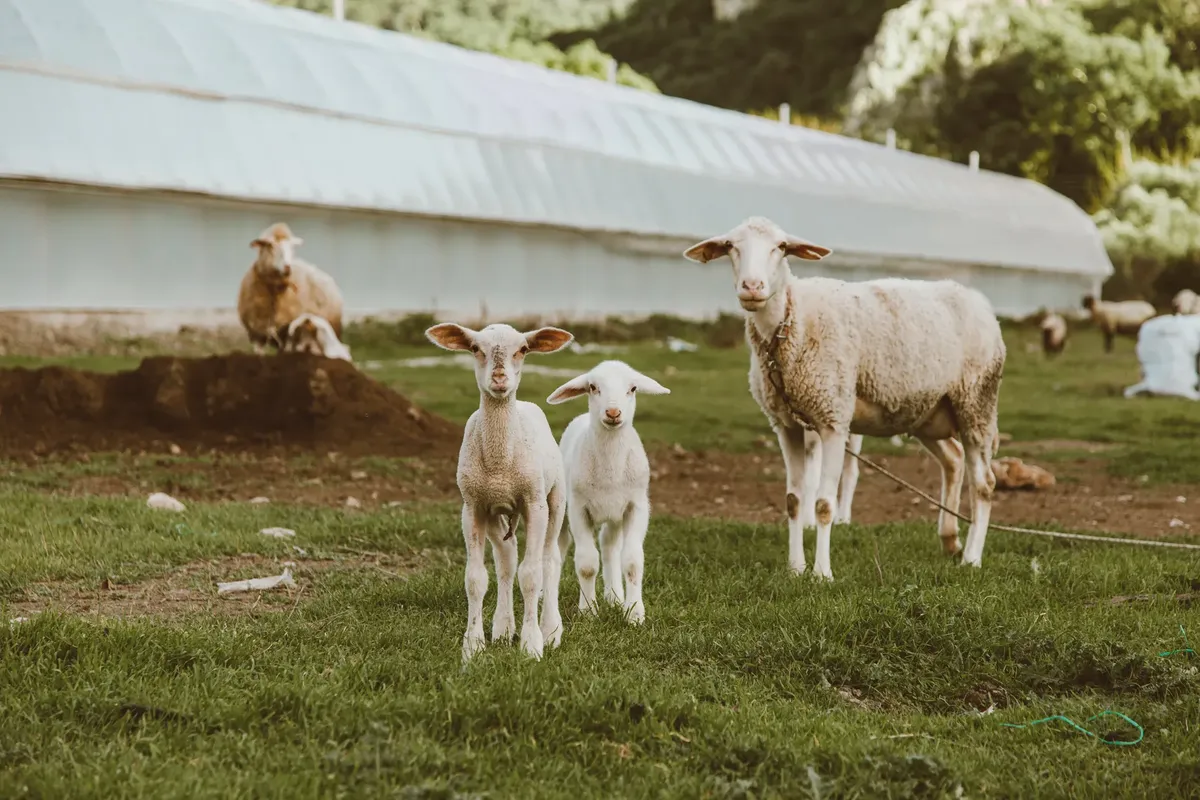
A farmer watches the morning mist rise over a grazing field, knowing that invisible gases are moving with the wind. The livestock environmental impact is a significant component of global climate change.
According to the IPCC, agriculture, which includes livestock, food crops, and biofuel production, accounted for approximately 10 to 12 percent of global anthropogenic greenhouse gas emissions in both 2005 and 2010.
This scale of emissions is driven by various biological and chemical processes. For example, enteric methane from live livestock accounts for 30% of the overall methane emissions on the planet.
Furthermore, through feed production and manure management, livestock are responsible for 34% of all human-related emissions of nitrous oxide. Managing these gases is a central challenge for future food security.
- Identify primary greenhouse gas sources.
- Analyze emission levels per animal type.
- Evaluate mitigation strategies.
What role does land and water use play in an animal farming footprint?
A tractor moves across a vast expanse of cleared land, where cattle once grazed but now feed crops grow. The animal farming footprint extends deeply into the physical geography of our planet. Livestock and the production of feed for them occupy about a third of Earth's ice-free land.
This massive land requirement competes with other uses, such as forests and natural habitats.
Water scarcity is another critical factor in the animal farming footprint. Livestock production is responsible for somewhere between 20% and 33% of fresh water usage in the world.
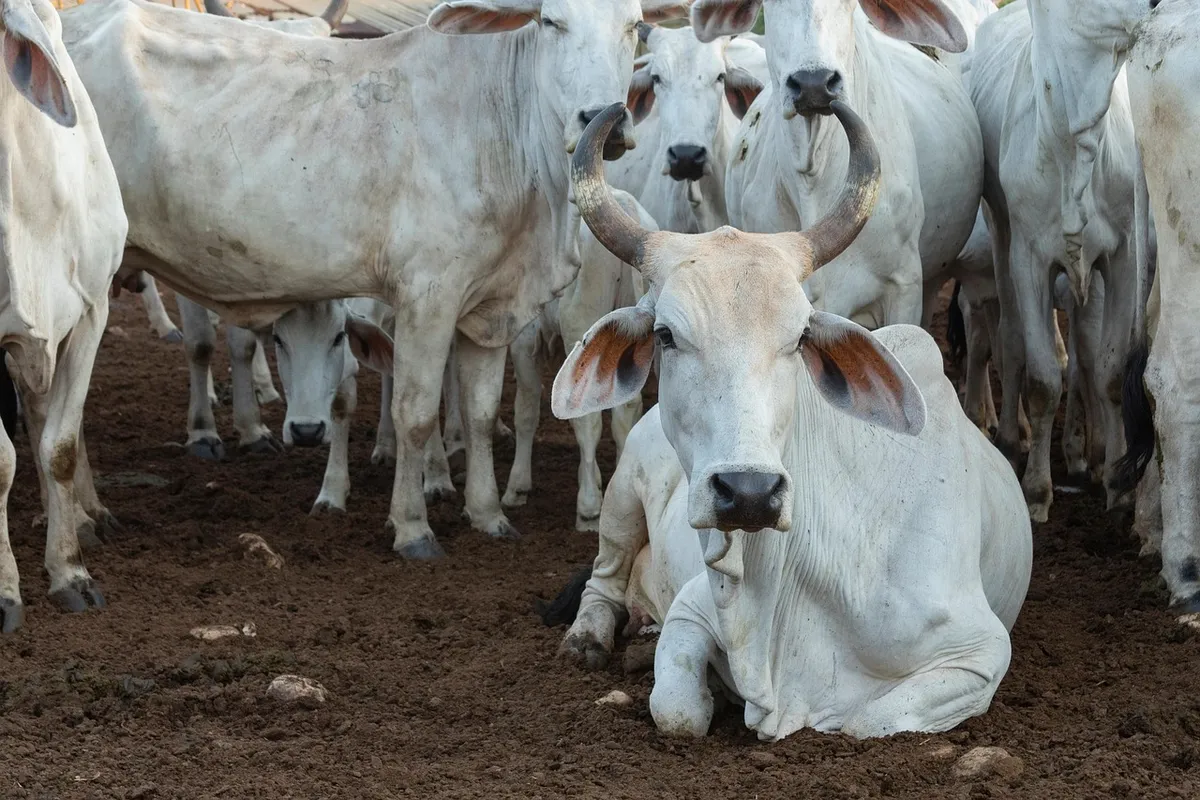
These heavy resource requirements highlight the tension between expanding meat production and maintaining enough natural resources for a sustainable food system.
In this sequence, the second step is the most extensive.
How are antibiotic regulations shaped to improve a sustainable food system?
At sunset, I pull on my heavy gloves and walk through the quiet barn to inspect the health of the livestock.
A veterinarian examines a flock of poultry, checking for signs of health and ensuring compliance with safety standards. Developing a sustainable food system involves managing the risks associated with intensive animal rearing.
According to the FDA, all 26 pharmaceutical companies producing antibiotics used in livestock feed agreed to the FDA guidelines in 2014.
Regulatory history shows a move toward tighter controls on medication to prevent resistance and ensure food safety.
In 2010, the FDA issued its first draft regarding the voluntary limitations of medically important antibiotics in livestock, which also required veterinarian oversight.
This process later evolved into "Guidance for Industry #209." By 2014, all 26 pharmaceutical companies producing antibiotics used in livestock feed agreed to the FDA guidelines in #213. These steps aim to balance animal health with the necessity of a stable, low-risk food supply.
What are the characteristics of modern intensive farming?
A worker walks through a long, narrow aisle of a facility where animals are kept in close proximity. Understanding modern production methods is essential to evaluating the animal farming footprint.
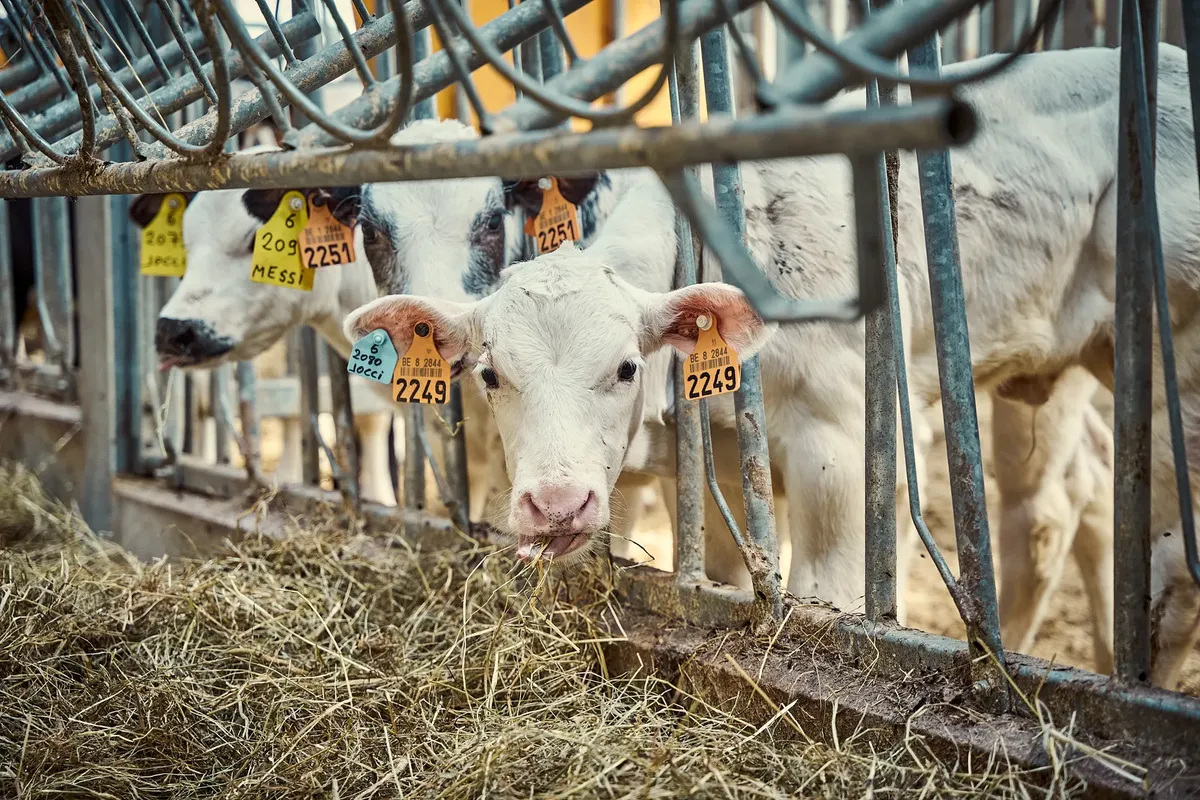
Currently, it is estimated that 74% of livestock worldwide are raised in factory farms, which are characterized by densely confined animals.
The intensity of these environments creates unique challenges for resource management and waste. While intensive systems can maximize output, they also concentrate the environmental pressures mentioned previously.
Addressing these pressures is vital for anyone interested in the future of a sustainable food system.
How can we compare different types of red meat?
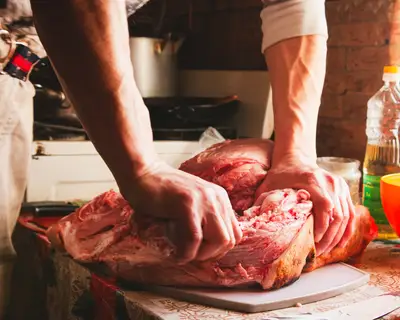
A chef prepares a variety of cuts on a wooden cutting board, weighing the nutritional content of each. The USDA classifies pork, veal, beef, and lamb as livestock, and all livestock as red meat.
Different cuts provide different nutritional profiles, which is a key consideration for a modern diet sustainability.
| Meat Type (100g) | Protein (g) | Fat (g) |
|---|---|---|
| Beef, cured, corned beef, canned | 27.1 | 14.9 |
| Beef, cured, corned beef, brisket, cooked | 18.2 | 19 |
I compared these two specific canned and cooked beef profiles to see how processing affects the composition. These differences in protein and fat content are fundamental to understanding how meat contributes to human nutrition.
What are the steps to transition toward a sustainable food system?
A community gathers to discuss new ways of sourcing local produce and managing community gardens. Moving toward a sustainable food system involves systemic changes in how we produce and consume protein. While there is no single path, several key areas of focus can be identified for improvement.
- Implement best production practices to mitigate environmental damage. assessed best production practices are estimated to be able to reduce livestock emissions by 30%. 2. Manage land use to protect biodiversity and natural carbon sinks. 3. Regulate antibiotic use through strict veterinary oversight to ensure health safety.
After establishing these steps, a final check of local environmental regulations and resource availability must be performed to ensure the strategies are viable for the specific region.
The same subject is also called livestock carbon trace.
The same subject is also called farming eco effects.
This part also covers animal husbandry impact.
modern diet sustainability
Related

Comments 0