How does the fascia structure impact meat quality?
Understanding the relationship between muscle tissue and connective structures is essential for anyone looking to master meat preparation. By analyzing the fascia and muscle fibers, cooks can better predict texture and moisture retention.
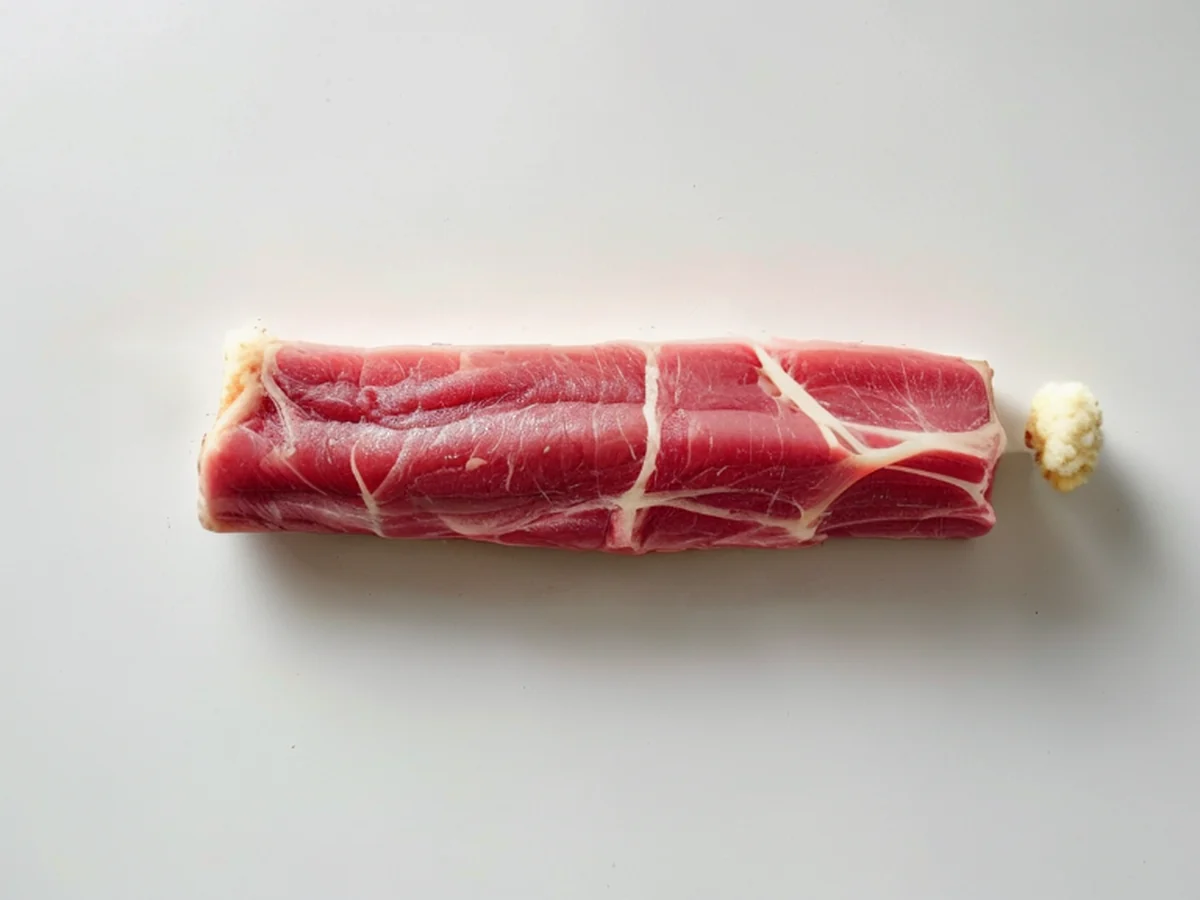
This guide examines how the internal structure of meat affects its culinary potential. We will explore how connective tissues influence quality and how specific cooking methods interact with these biological layers. 1. The role of fascia in meat texture 2. Impact of connective tissue on cooking methods 3. How muscle structure dictates quality * The relationship between fat and fascia
How does the fascia structure impact meat quality?
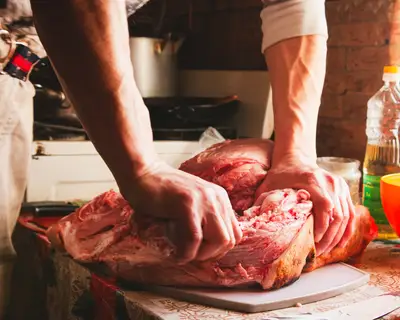
A chef stands at a butcher block, observing the silvery sheen of the connective tissue wrapping a cut of meat. This layer, known as fascia, plays a decisive role in the physical integrity and mouthfeel of the protein.
According to USDA FoodData Central, verified nutritional data is provided per 100g.
Fascia acts as a biological scaffolding that holds muscle fibers together. In high-quality cuts, the fascia is often thin and easily separable, while thicker layers can lead to a tougher eating experience if not managed correctly.
The density of this connective tissue often dictates whether a cut is better suited for quick searing or long, slow braising.
When the fascia is intact, it can help retain juices during the cooking process. However, if the connective tissue is too dense, it may remain chewy even after significant heat application. Understanding this balance is key to selecting the right cut for a specific recipe.
How do different meat structures change cooking methods? Lamb fascia structure analysis
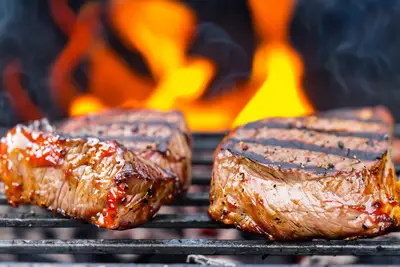
A heavy cast-iron skillet sits on a hot burner, waiting for a steak that requires precise temperature control. The thickness of the muscle fibers and the surrounding fascia will determine how the heat penetrates the center of the cut.
The structure of the meat dictates the heat application strategy. For cuts with minimal, thin fascia, high-heat methods like grilling or pan-searing are ideal to achieve a crust while keeping the interior tender. These cuts rely on the muscle's natural structure to maintain shape.
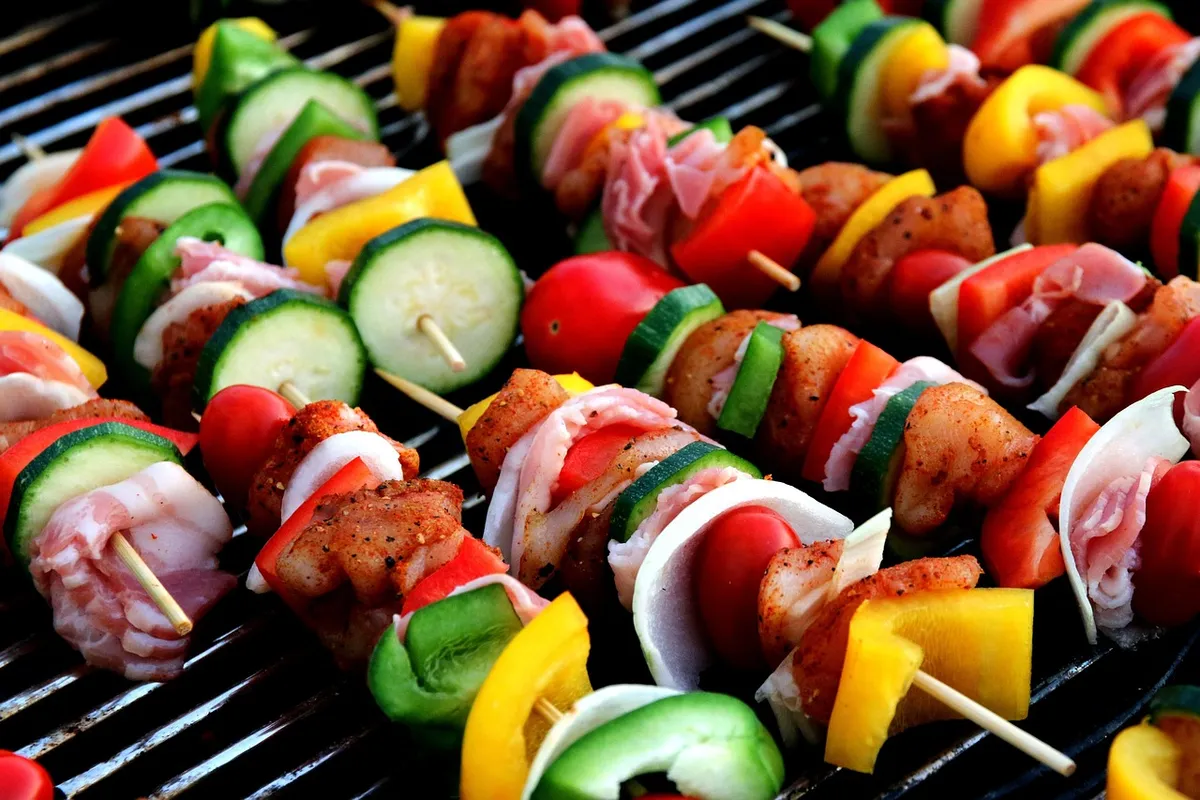
Conversely, cuts with heavy, collagen-rich connective tissue require moisture and time to break down. In these cases, slow-cooking methods such as braising or stewing are necessary. As the heat is applied over a long period, the tough fibers in the fascia transform into gelatin, softening the meat.
| Structure Type | Primary Cooking Method | Texture Goal |
|---|---|---|
| Thin Fascia | Searing/Grilling | Tender and juicy |
| Thick Fascia | Braising/Stewing | Melt-in-mouth gelatin |
I have often found that choosing a cut based on its visible connective tissue prevents the disappointment of a tough meal.
What are the steps to manage tough connective tissue?
A kitchen worker carefully trims a large piece of meat, removing the silver skin to prepare a roast. Managing the structural layers is a manual process that requires both patience and a sharp knife.
To handle meat with significant connective tissue, follow these steps:
- Identify the grain and the direction of the fascia to ensure proper slicing. 2. Trim away excessively thick or "silver" layers that will not soften during standard cooking. 3. Apply appropriate heat levels—either very high for thin layers or very low for thick layers—to manage the breakdown of collagen.
After these steps, always check the resistance of the meat when cutting against the grain. This ensures the structural integrity matches the intended dish.
Can an existing condition affect meat texture?
A seasoned cook looks at a piece of meat that has been aged, noting the slight change in the firmness of the tissue. Certain environmental or biological conditions can change how the fascia behaves before it ever hits the pan.
The age of the animal and the activity level of the muscle can significantly change the density of the fascia. Older animals typically have thicker, more cross-linked connective tissue, which requires more aggressive cooking techniques to become palatable.
This is a natural biological reality that affects the physical properties of the meat.
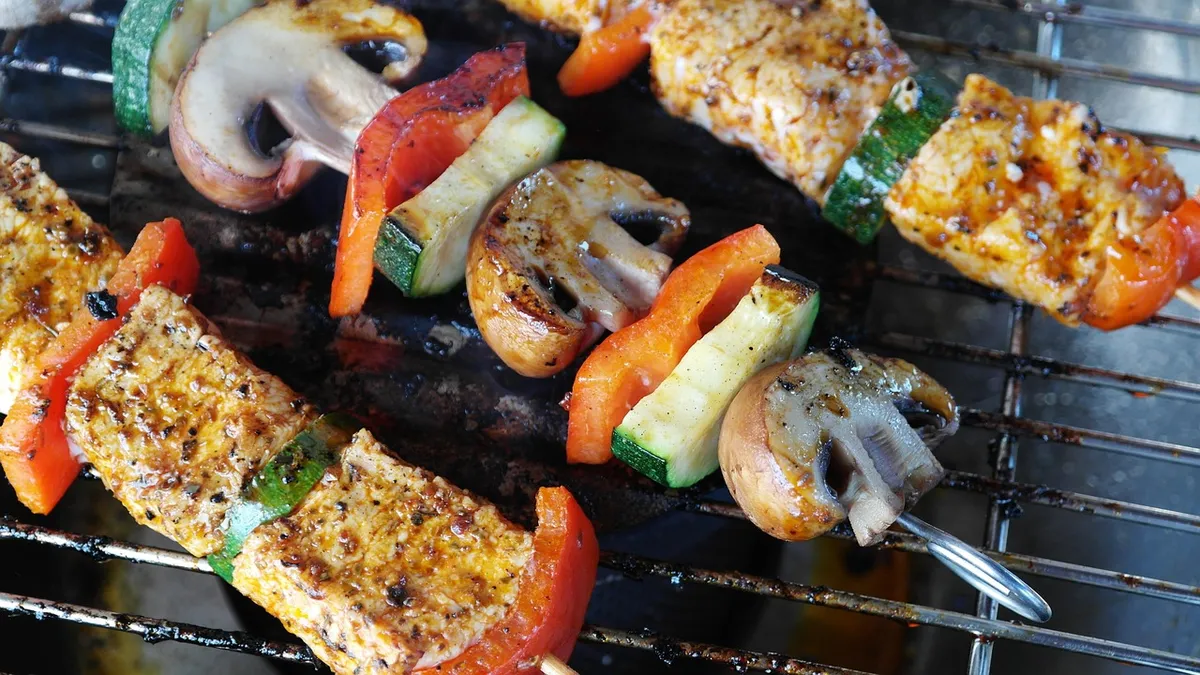
If the meat has been vacuum-sealed or aged, the enzymatic breakdown of the fascia might already be underway. This can result in a more tender product, but it also changes the structural stability of the cut.
The subject here is Lamb fascia structure analysis.
The same subject is also called Lamb connective tissue quality.
The same subject is also called Meat structure and cooking.
The same subject is also called Fascia impact on lamb.
The same subject is also called Lamb meat texture guide.
This part also covers Comparing lamb fascia types.
This part also covers Best cooking methods for lamb.
This part also covers How fascia affects lamb quality.
Comparing lamb fascia types
Related
Comments 0