How does the spinal structure impact meat quality?
"Understanding the anatomy of poultry allows for better meal preparation and food safety awareness."
The structure of the poultry spine dictates the meat quality and bone-in texture found in grocery stores. This guide explores how skeletal anatomy affects meat distribution, compares production scales, and provides safety guidelines for handling.
Key takeaways include understanding meat distribution, recognizing production volume, and maintaining safety standards.
How does the spinal structure impact meat quality?
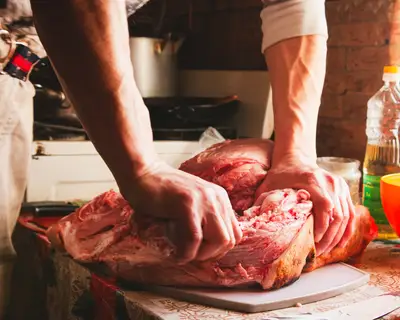
At dawn in the kitchen, the chef slices through the bone to see how the anatomy does affect the texture of the meat.

A chef carefully separates the tenderloin from the vertebrae to ensure every bite is juicy and flavorful. The spinal column serves as the central axis for muscle attachment, influencing how much meat is available per cut.
The way muscles attach to the vertebrae determines the density and texture of the meat. Because the spine supports the heavy musculature of the bird, the surrounding meat often carries distinct flavors and textures.
Understanding these anatomical connections helps in selecting the best cuts for specific cooking methods. The attachment of muscle fibers to the bony structure dictates where the meat will be most tender or most fibrous.
The density of the meat changes depending on the amount of muscle mass anchored to the specific vertebrae. A comparison of cuts shows that meat closer to the main spinal column tends to have a different structural integrity than meat near the wing joints.
This structural difference requires the chef to adjust cooking times to achieve the desired texture.
However, these structural advantages may be less pronounced in older birds with more advanced bone mineralization.
What are the scales of poultry production? Poultry spine structure analysis
A large-scale distribution center moves thousands of pounds of meat through automated processing lines every hour. The sheer volume of poultry produced globally highlights the importance of standardized processing and food safety.
The scale of the industry is massive, driven by high demand for protein. According to the USDA, the United States is the world's largest producer and second largest exporter of poultry meat.
In 2010, the nation produced 36.9 billion pounds of broiler meat and exported 6.8 billion pounds of broiler meat. The massive volume of poultry processed requires stringent quality control measures throughout the automated lines.
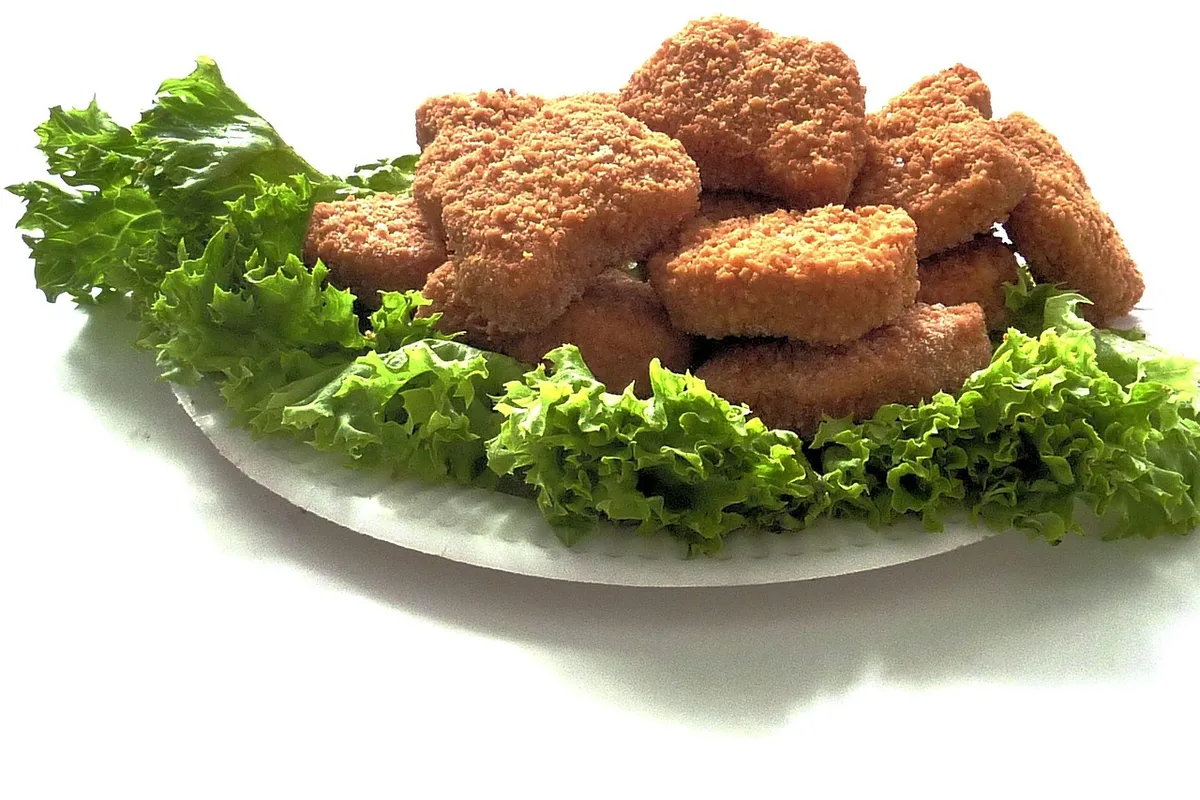
Standardized processing ensures that regardless of the source, the meat meets specific safety and quality benchmarks. The comparison between domestic production and global export volumes indicates a significant reliance on the poultry industry for international protein supply.
Maintaining food safety is a critical condition given the immense quantity of meat handled daily.
However, these production models may not be suitable for small-scale backyard farming.
How can we ensure food safety when handling meat?
In the bright kitchen, the cook scrubs her hands to see how cleaning does prevent the sting of bacteria.
A home cook washes their hands thoroughly after handling raw chicken to prevent cross-contamination in the kitchen. Maintaining hygiene is the first step in preventing foodborne illnesses when working with fresh poultry.
Safety is a primary concern when dealing with large-scale meat supplies.
A 2011 study by the Translational Genomics Research Institute showed that 47% of the meat and poultry sold in United States grocery stores was contaminated with Staphylococcus aureus, and 52% of the bacteria concerned showed resistance to at least three groups of antibiotics.
The contamination rate found in the study serves as a caution regarding the risks inherent in handling poultry. To prevent cross-contamination, it is a procedure to keep raw poultry separate from ready-to-eat foods in the refrigerator.
The condition of the kitchen environment must be maintained to minimize bacterial growth during preparation.
- Sanitize all preparation surfaces.
- Wash hands thoroughly with soap.
- Maintain strict temperature controls.
What are the standards for organic poultry?
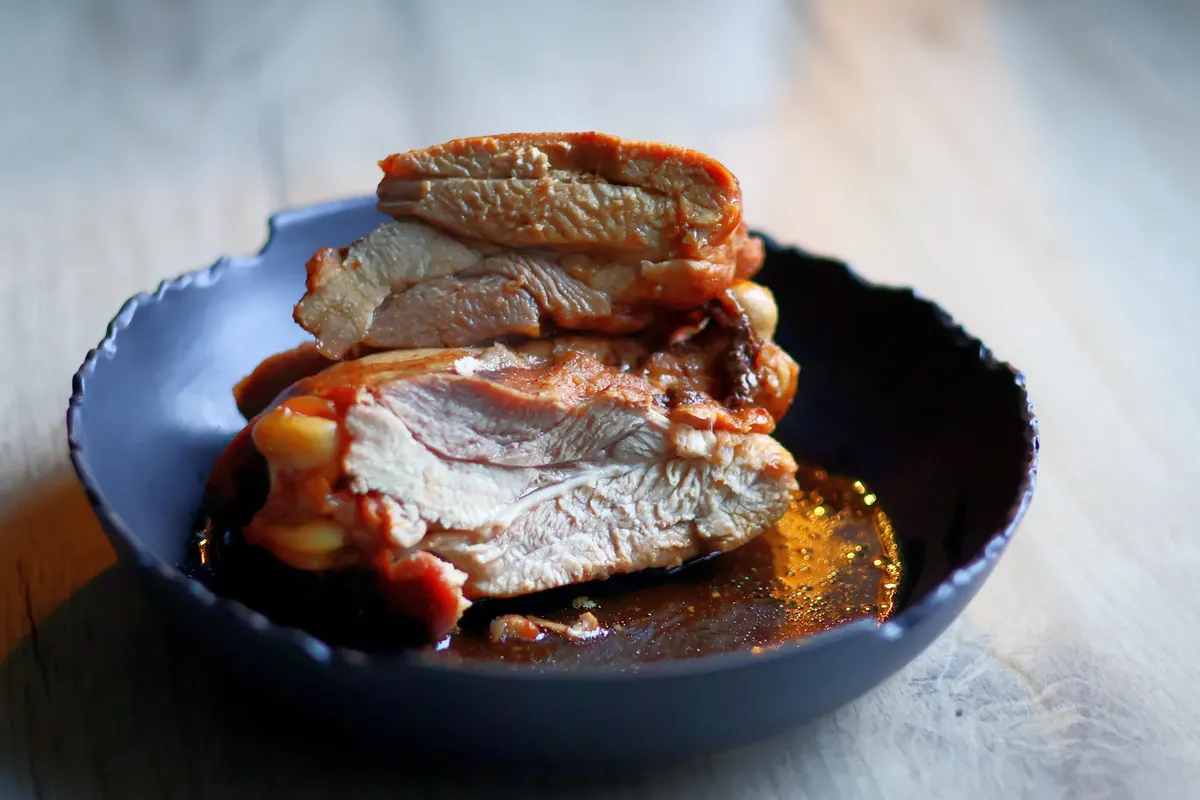
A shopper reads the label on a package of organic poultry to ensure no synthetic growth promoters were used. Selecting organic options provides a different level of oversight regarding how the animals were raised.
Strict regulations govern how organic poultry is produced to ensure natural growth processes.
Since at least 1990, the use of any growth promoters, hormones, antibiotics, and synthetic trace elements used to stimulate growth has been strictly forbidden in all USDA certified organic poultry and other livestock animals.
The condition of being USDA certified organic requires adherence to specific farming practices that differ from conventional methods. The prohibition of growth promoters is a key regulatory requirement that defines the organic standard.
This regulatory framework acts as a condition for the certification of the poultry.
However, organic certifications may not apply to birds raised under different regional labeling systems.
How to select and prepare poultry based on anatomy
A butcher carefully inspects the bone structure of a carcass to determine the best way to portion the meat. Selecting the right cut requires an understanding of how the skeleton supports the muscle mass.
To effectively manage poultry preparation, follow these steps:
- Identify the cut: Determine if the meat is attached to the spine or the wing to decide between slow-cooking or quick-searing. 2. Inspect the bone: Check for clean cuts to ensure the bone does not interfere with the desired texture of the meat. 3. Verify freshness: Always check the packaging and smell of the meat before beginning the preparation process.
I always check the bone-to-meat ratio when selecting a whole bird to ensure I get enough meat for my family.
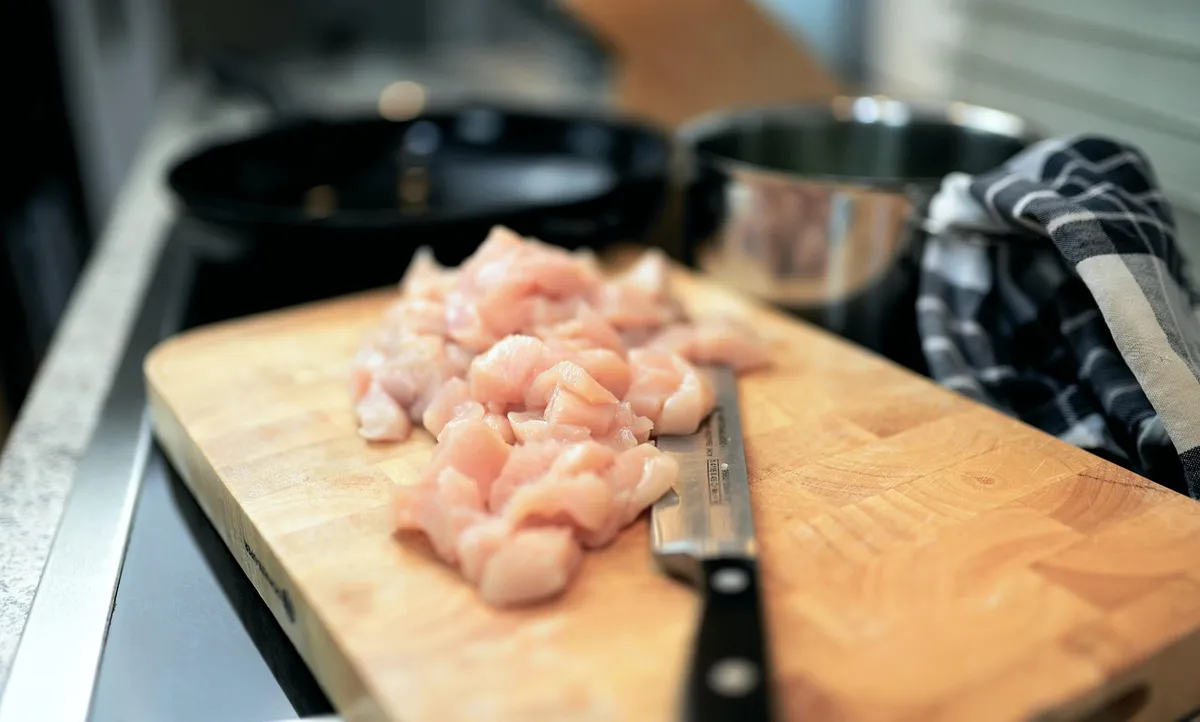
If you are working with pre-packaged meat that has been processed with additives, standard organic guidelines may not apply. The comparison between the bone-to-meat ratio and the final yield is a practical consideration for the home cook.
The condition of the meat's freshness must be verified before any cutting procedure begins.
I find that the second step in this process is the most time-consuming.
The subject here is Poultry spine structure analysis.
The same subject is also called Bird back meat quality.
The same subject is also called Poultry bone structure.
The same subject is also called Spine cut cooking guide.
The same subject is also called Fowl carcass anatomy.
This part also covers Meat quality by bone structure.
This part also covers Best cooking methods for spine.
Comparing poultry spine cuts
Related

Comments 0