Smoking food techniques guide: Why choose this method?
"The flavor of smoke is not just an additive; it is a transformative process that changes the very structure and essence of the food being prepared."
Smoking food techniques depend heavily on the choice of wood, the temperature of the smoker, and the specific cut of meat used to achieve a desired profile.
This guide explores why certain meats are selected for this method, the differences between popular proteins, and how to manage the process for best results. You will learn about the role of pork in barbecue, the nutritional components of cured beef, and the necessity of temperature control.
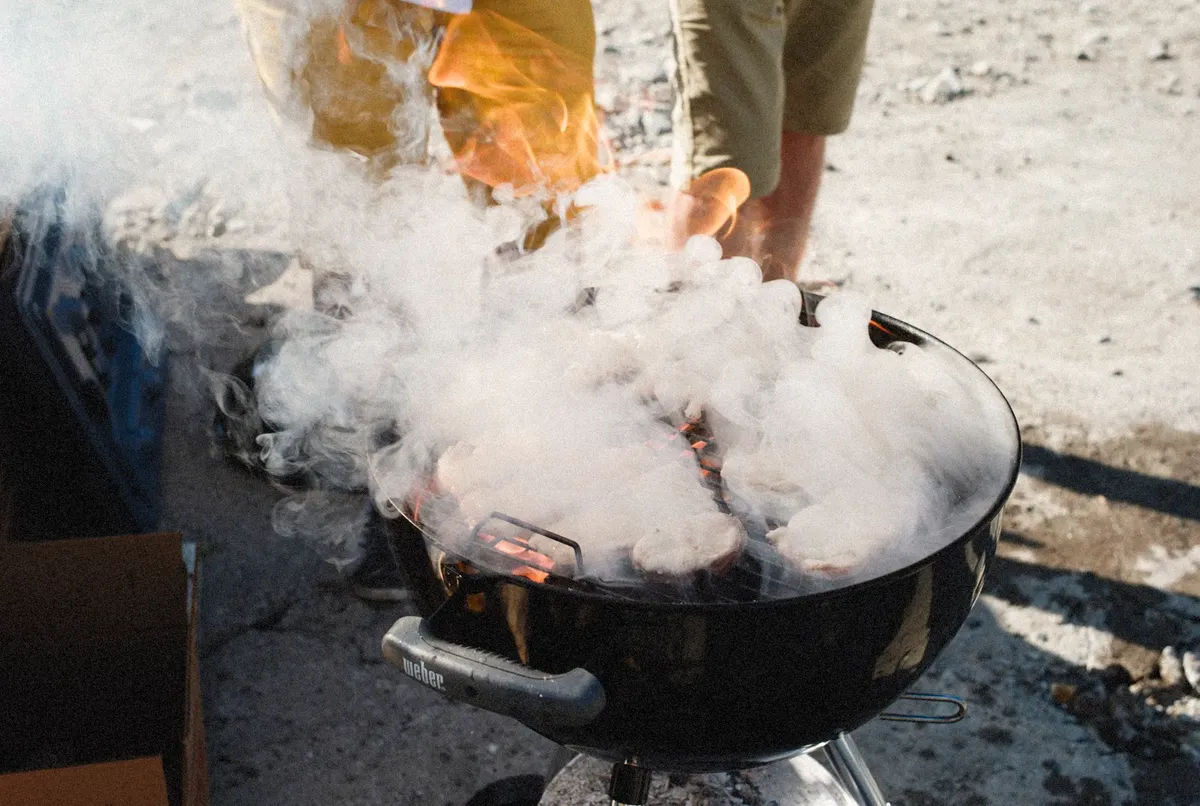
A primary limitation is that smoke flavor profiles vary significantly based on the specific wood species used, which is not detailed here.
* The role of smoke in meat preservation and flavor. * Common protein choices like pork and beef. * Nutritional data for cured beef products. * Managing the smoking process effectively.
Why choose smoking food techniques?
A heavy iron smoker sits in the backyard as thick, white plumes of wood smoke begin to drift from the chimney. Choosing smoking food techniques allows a cook to infuse deep, aromatic layers into proteins that high-heat grilling cannot replicate.
This method relies on low, steady heat to break down tough connective tissues over several hours.
The primary reason to use these methods is the development of a unique flavor profile and texture. While direct heat sears the surface, indirect smoke penetrates the meat. This slow transition creates a tender consistency that is highly valued in traditional barbecue.
What are the best smoking methods?
The cook adjusts the vent on the smoker, watching the embers glow orange in the dark morning air. To master how to smoke meat, one must understand the distinction between hot smoking and cold smoking.
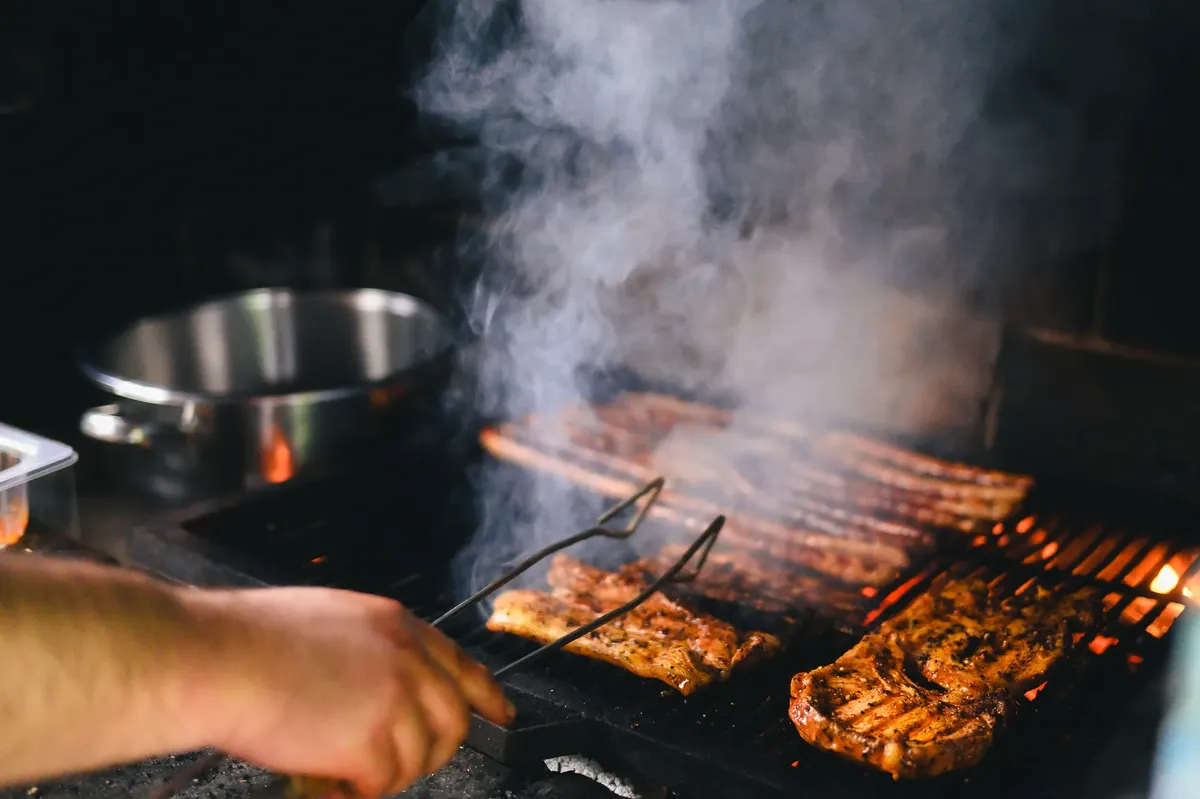
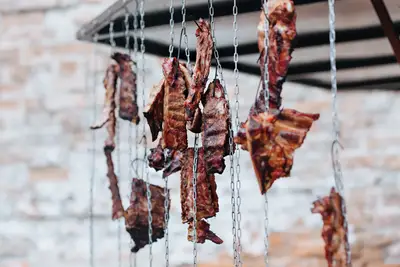
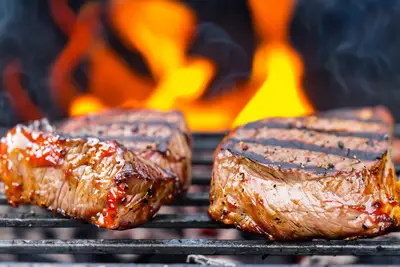
Hot smoking uses temperatures typically above 225°F to cook the food, whereas cold smoking aims to flavor the food without actually cooking it through.
Different applications require different approaches to heat and air circulation. Hot smoking is the standard for brisket or ribs, where the goal is a juicy, tender interior. Cold smoking is often reserved for delicate items like cheeses or certain fish.
Selecting the right method ensures the texture remains appropriate for the specific ingredient being prepared.
How to smoke meat with different proteins?
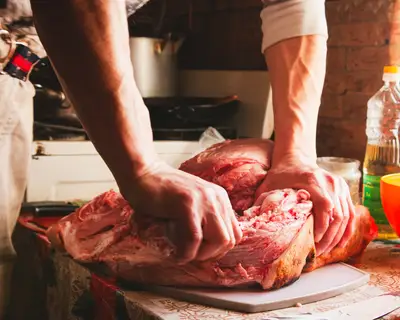
A large slab of pork belly rests on the grate, catching the first wisps of hickory smoke. When considering wood smoke flavor, the choice of protein dictates the entire preparation strategy.
Pork is a mainstay in this culinary tradition, appearing in 80% of Southern-style barbecue and serving as a staple in sausages and sandwiches.
Beef presents a different challenge and set of characteristics. For those using cured varieties, the nutritional profile varies by preparation.
In contrast, 100g of canned, cured corned beef provides 250 kcal, 27.1g of protein, 14.9g of fat, and 2.08mg of iron.
| Meat Type (100g) | Protein (g) | Fat (g) |
|---|---|---|
| Canned Corned Beef | 27.1 | 14.9 |
| Cooked Corned Beef Brisket | 18.2 | 19.0 |
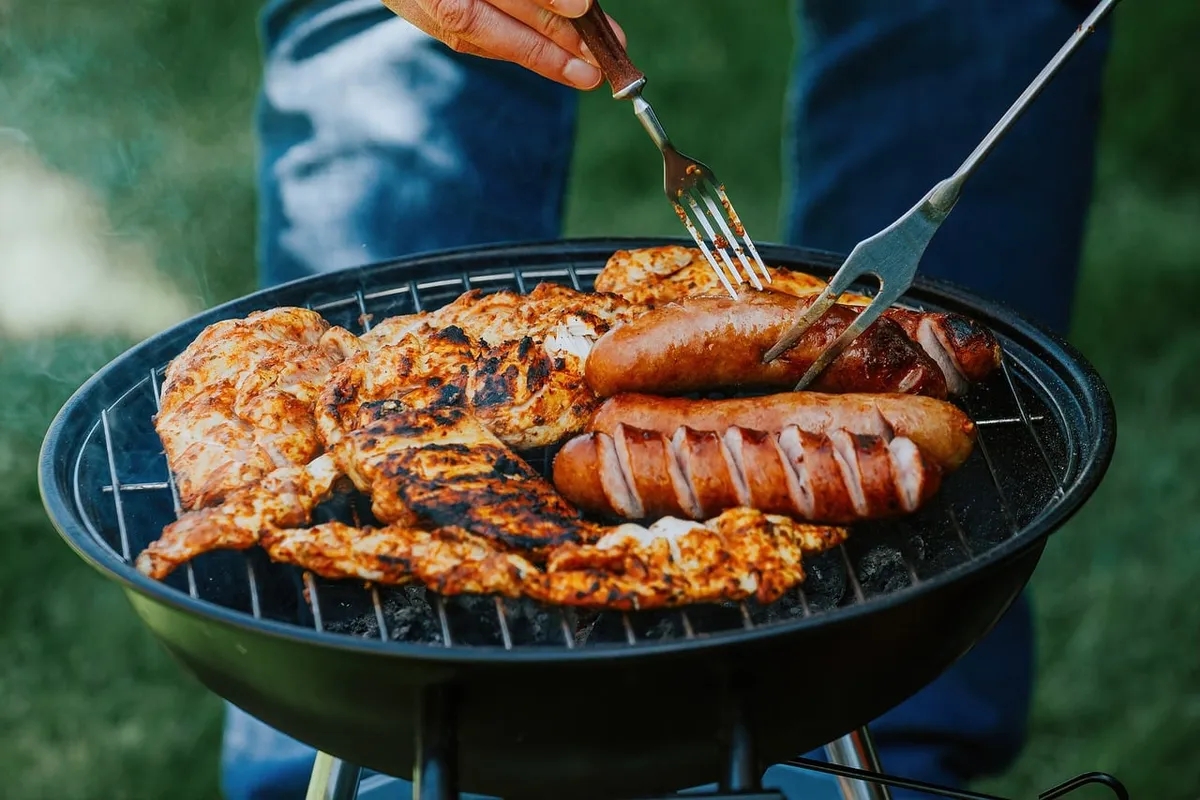
I noticed that the protein content shifts significantly depending on whether the beef is canned or cooked as a brisket.
What is the smoking food guide for beginners?
The thermometer probe slides into the center of a thick roast, waiting for the digital readout to stabilize. To follow a successful smoking food guide, you should adhere to a structured approach to ensure safety and flavor.
- Select a stable heat source and a consistent wood type to maintain a steady temperature. 2. Prepare the meat by applying a dry rub or brine to enhance the surface for smoke absorption. 3. Monitor the internal temperature of the meat continuously using a probe to prevent overcooking.
Perform a final check by ensuring the meat has reached the target internal temperature and has rested sufficiently before slicing.
- Prepare your smoker and fuel.
- Season the meat thoroughly.
- Monitor the internal temperature.
- I find that the second step is the most important.
How do different smoke traits affect the result?
The scent of applewood fills the kitchen as a small batch of meat is pulled from the smoker. Understanding different smoke traits involves recognizing how different woods interact with various fats.
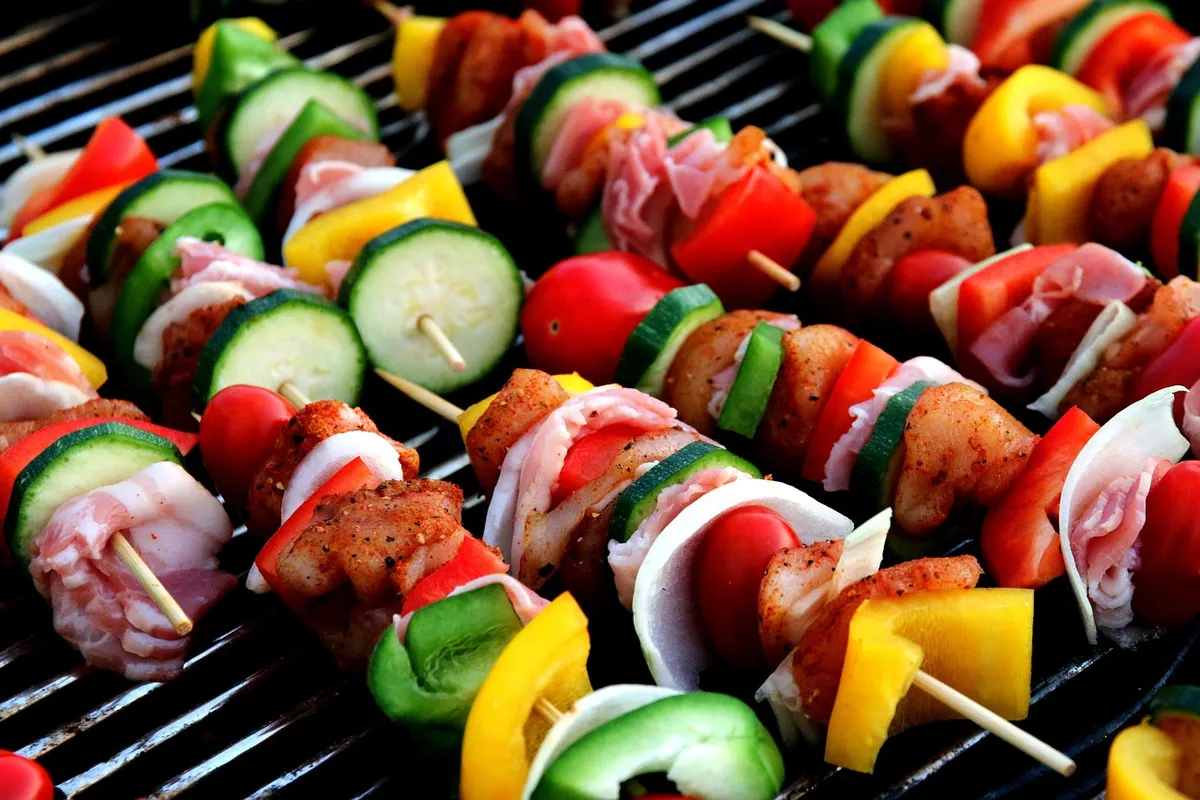
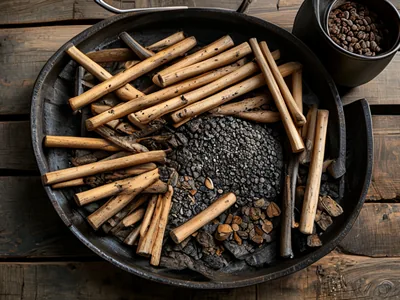
Fruity woods like apple or cherry provide a milder profile, while heavier woods like mesquite offer an intense, pungent character.
The interaction between smoke and fat is crucial for the final taste. As fats render during the long cooking process, they carry the smoke particles deep into the muscle fibers.
This synergy is what creates the characteristic "smoke ring" and the rich, savory depth associated with professional barbecue.
This part also covers Smoking process control.
This part also covers Cultural value of smoke.
Related
How does the wood choice influence the final flavor?
- Heavier woods, such as mesquite, impart a pungent character to the food. 2. Conversely, lighter woods like apple or cherry yield a more delicate flavor profile. 3. The wood species dictates the specific smoke flavor that permeates the protein during the slow cooking process.
This variation in wood selection highlights a key caution: the smoke flavor profiles change significantly based on the specific wood species used, a detail that requires careful consideration by the cook.
Proper wood selection is integral to achieving the desired smoke flavor, as the wood interacts directly with the fat as it renders over time.
What is the cultural value of smoke?
- The smoke flavor in barbecue holds significant cultural weight within culinary traditions. 2. This tradition often centers around the slow application of smoke to proteins like pork. 3. The resulting flavor becomes an integral part of the food's identity, connecting it to regional practices.
This cultural aspect emphasizes that the smoke is more than just an ingredient; it is a carrier of culinary heritage. The deep flavor achieved through smoke reflects long-standing preparation methods.
Understanding the cultural value helps the cook appreciate the depth of the smoke flavor profile being developed in the meat.
Comments 0