Meat production environmental impact: Carbon reduction why
"The global demand for meat products is predicted to increase by 15 percent by 2031."
The meat production environmental impact is a growing concern as global demand rises, necessitating a shift toward sustainable diet alternatives. This article examines the land and water costs of animal agriculture and compares them to plant-based meat substitutes.
We will explore the resource requirements of different proteins, the potential for carbon emission reduction, and the limitations of current alternatives.
Why is the meat production environmental impact so significant?
A farmer stands in a vast field, looking over acres of grazing land that stretch toward the horizon. This vastness represents the massive footprint of animal agriculture, which currently uses 77% of all agricultural land despite supplying only 17% of the total food supply.
This imbalance highlights the heavy resource reliance of the current food system.
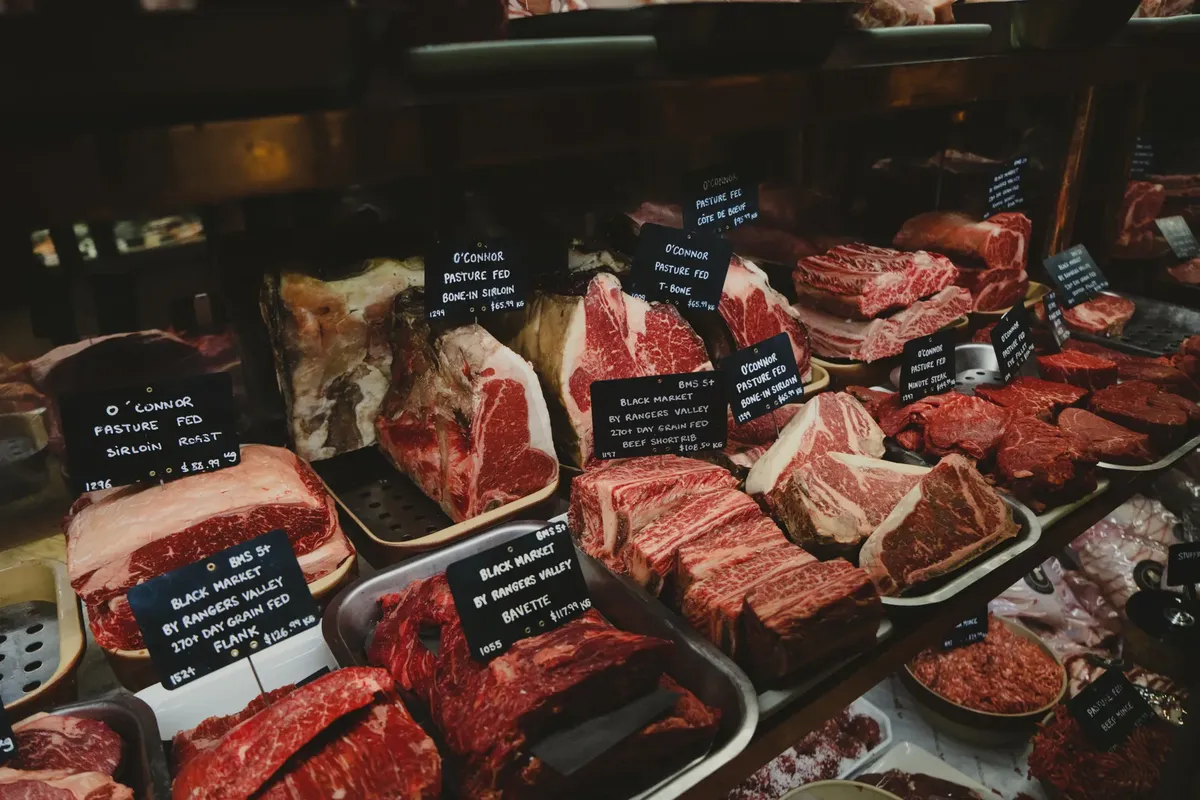
The environmental cost of livestock is immense, as 33% of the habitable land on Earth is used to support animals. This massive land use competes with other essential needs, such as human food production and natural habitat preservation.
Addressing this footprint is a primary driver for exploring low carbon protein sources.
How can we address the land use of animal agriculture?
A researcher maps out land use patterns, noting how much space is dedicated to grazing versus crop production. To mitigate the footprint, the industry is looking toward more efficient ways to utilize the Earth's surface.
Developing better meat alternatives has the potential to reduce the environmental impact of meat production, an important concern given the rising demand.
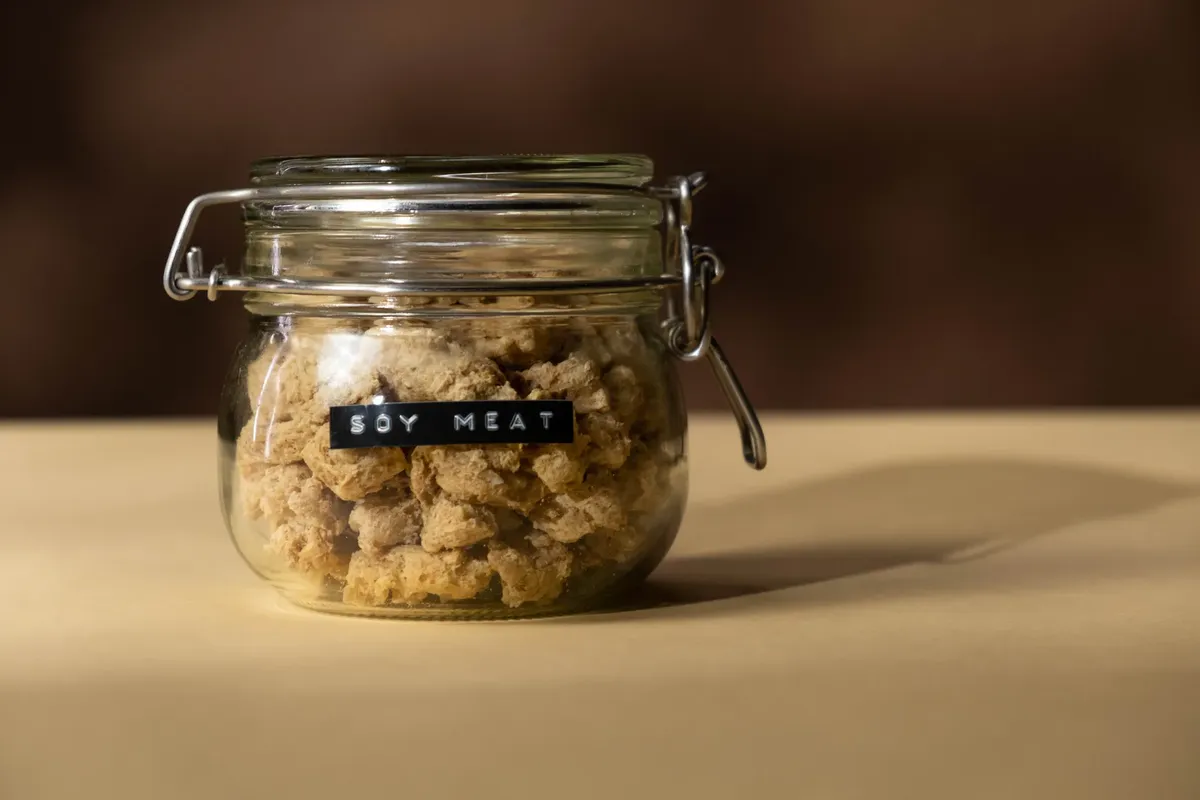
Plant-based meat can use a potential 47–99% less land than conventional meat does, freeing up more opportunities for production. By shifting some production to plants, more land could be returned to natural ecosystems or used for other crops.
This shift is a key component of the future of animal agriculture.
How much water does meat production actually use?
A worker monitors a water meter, noting the heavy flow required for irrigation and livestock hydration. Of the total water used in global agriculture, 33% goes to animal agriculture, though this could be redirected for drinking water or other growing purposes under a different strategy.
Managing this scarcity is vital for food security.
| Resource Category | Conventional Meat Impact | Plant-Based Potential |
|---|---|---|
| Land Use | High (77% of agricultural land) | 47–99% less land used |
| Water Use | 33% of global agricultural water | 72–99% less water used |
I observed that choosing different protein sources significantly changes the water footprint of a single meal. Plant-based meat uses 72–99% less water than conventional meat production. This efficiency could alleviate much of the pressure on global freshwater supplies.
How much do alternative proteins emit?
A technician monitors a sensor in a controlled environment, tracking the gases released during food processing. Reducing the atmospheric footprint of our food is a primary goal for scientists and environmentalists alike.
Addressing these emissions is part of a broader effort toward carbon emission reduction.
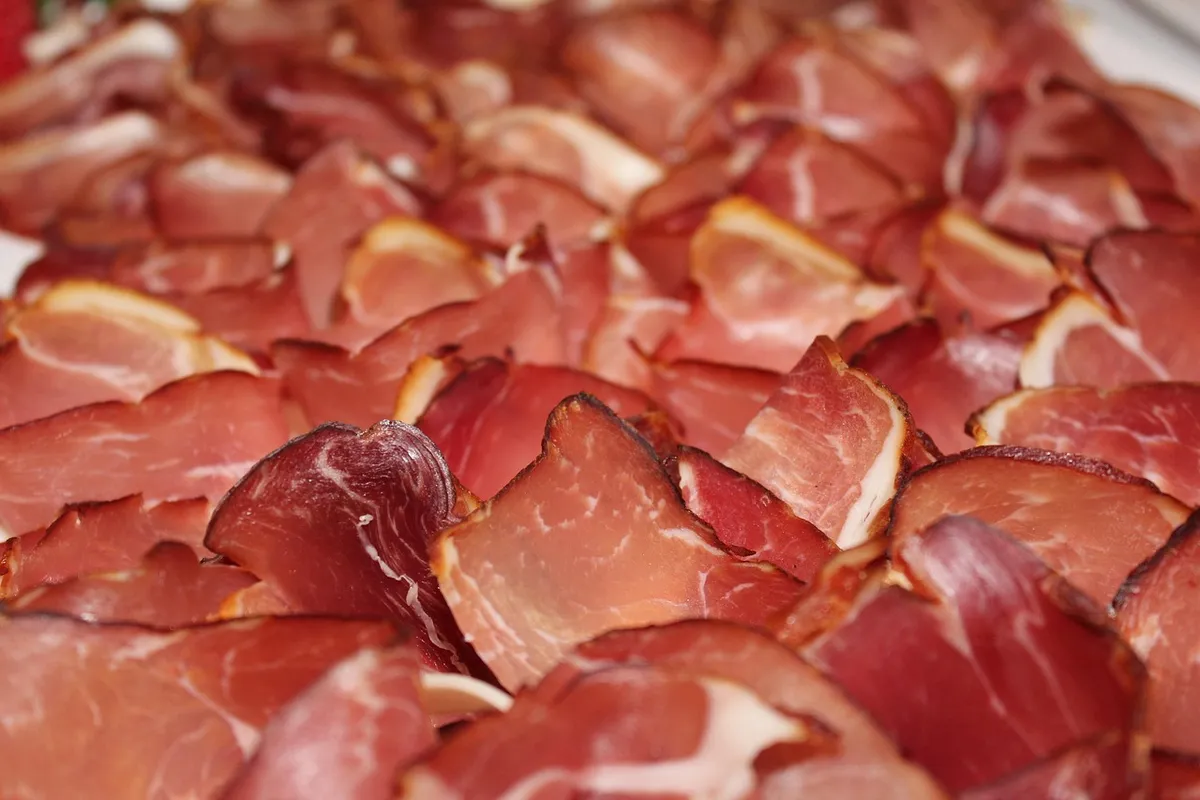
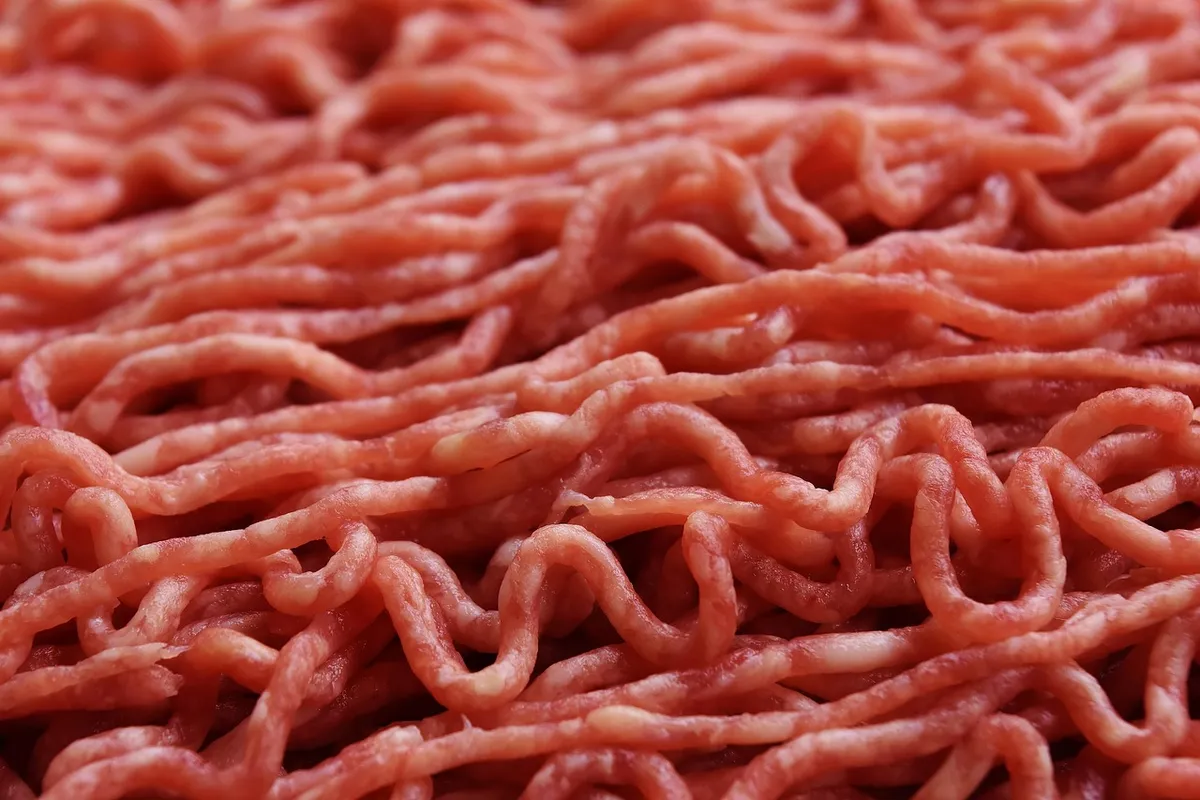
Production of plant-based meat alternatives emits 30–90% less than conventional meat production. This reduction offers a pathway to lower the overall greenhouse gas footprint of the global diet.
What are the ecological risks of plant-based alternatives?
A scientist examines a water sample from a nearby stream, looking for signs of chemical runoff. While alternatives aim to help, they still interact with the natural environment through ingredient sourcing. Understanding these side effects is necessary for true sustainability.
A 2019 research conducted at Loma Linda University found that a significant driver of water use and marine ecotoxicity was the production of plant-based meat alternatives.
The study reported that more than 90% of eutrophication and 70% of freshwater toxicity of observed areas could be attributed to the production of meat-alternative ingredients.
How is lab-grown meat being developed?
A researcher in a white coat carefully monitors a bioreactor, ensuring the perfect environment for cellular growth. This technology represents a different approach to protein production, focusing on cultivation rather than traditional farming.
Scientists are working to refine these methods to make them more efficient.
According to the study, most of the environmental impact from lab-grown meat production (75%) was due to the energy consumption used for cultivation. This high energy requirement is a primary challenge for the technology.
Balancing energy use with environmental benefits remains a central focus of research.
- Why is the meat production environmental impact so significant?
- How can we address the land use of animal agriculture?
- What is the water cost of meat production?
The subject here is meat production environmental impact.
The same subject is also called plant based meat substitutes.
The same subject is also called livestock environmental cost.
This part also covers lab grown meat research.
lab grown meat research
Related
- Cultured meat research: 18 months testing for novel foods
- How much investment is driving cultured meat startup tech?
What are the specific trade-offs of shifting to plant-based proteins?
Shifting to plant-based proteins involves weighing land and water savings against potential ecological risks like eutrophication. While plant-based meat uses 47–99% less land and 72–99% less water, the production of ingredients can cause significant freshwater toxicity.
This trade-off is a central consideration for meeting the rising global demand for food.
- Compare the 77% land use of animal agriculture to the potential 47–99% land reduction from plant-based alternatives. 2. Evaluate the 33% water use in animal agriculture against the 72–99% water savings offered by plant-based meat. 3. Weigh the 30–90% reduction in emissions against the risks of eutrophication and freshwater toxicity identified in the Loma Linda University study.
If the industry moves toward plant-based alternatives to meet global demand, it must address the 70% freshwater toxicity and 90% eutrophication risks. These ecological risks remain a caution for those seeking to reduce the footprint of meat production.
Balancing these factors is necessary to ensure that the shift toward sustainable alternatives does not create new environmental problems.
Wikipedia: Smithfield Foods Based on the retained excerpt mentioning Virginia Department of Environmental Quality: In 2001 it created an environmental management system and the following year hired Dennis Treacy, director of the Virginia Department of Environmental Quality since 1998, as executive vice-president and chief sustainability officer.

Comments 0