How does fascial structure affect pork quality?
Understanding the fascial structure of pork is essential for achieving the perfect texture and flavor in various culinary applications. This guide explains how connective tissue affects meat tenderness, discusses heat application for different cuts, and provides safety standards for preparation.
* The role of connective tissue in meat texture * Temperature guidelines for whole cuts and ground pork * Understanding anatomical cuts like riblets * Safety considerations for processed pork products
How does fascial structure affect pork quality?
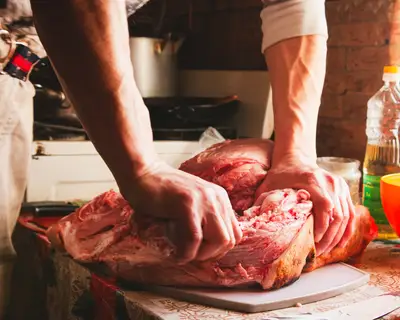
In the dim light of the kitchen, the chef pulls at the silver fascia to feel the resistance of the meat.
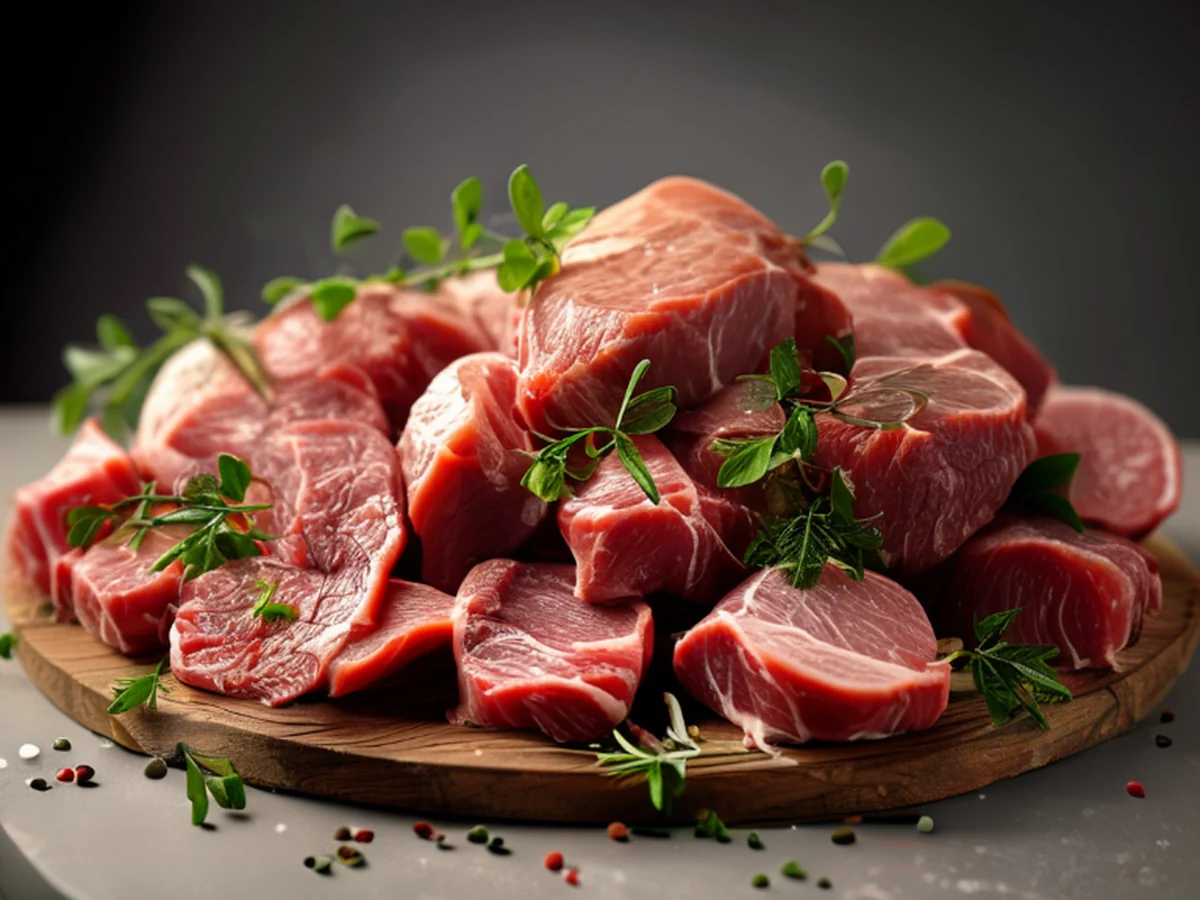
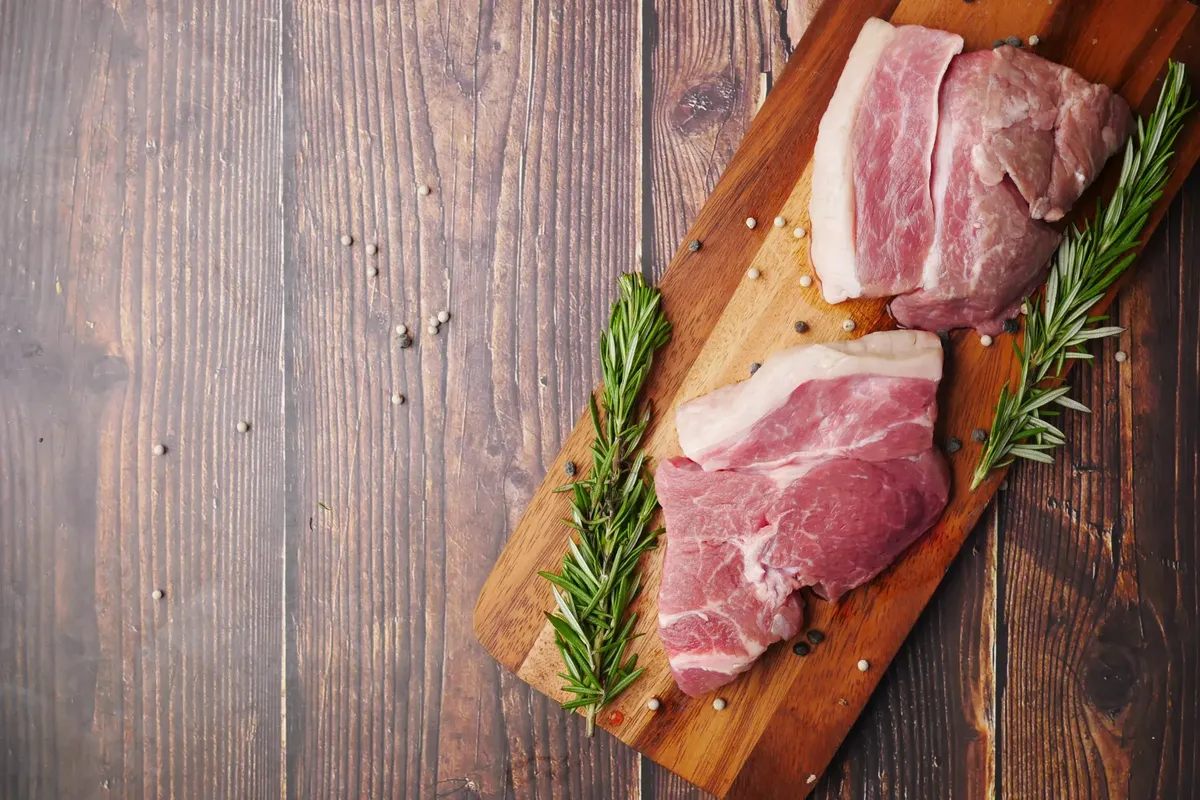
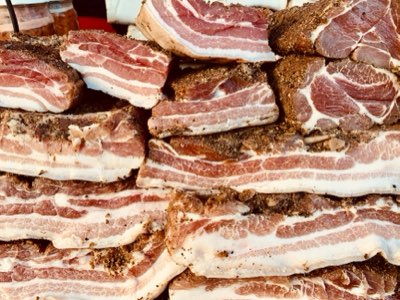
A chef carefully slices through a piece of pork, feeling the resistance of the connective tissue that holds the muscle fibers together. This fascial structure determines whether a cut will be tender when seared or requires slow braising to break down.
According to the Food Safety and Inspection Service, the agency detected Listeria monocytogenes in 210 kg (460 lb) of Polidori brand fully cooked pork sausage crumbles, although no one was made ill from consumption of the product.
The density of the fascia can change how heat penetrates the muscle. In some cuts, the connective tissue provides structural integrity, while in others, it can become tough if not cooked properly. Understanding these anatomical nuances helps in selecting the right cut for specific recipes.
The structural integrity of the fascia acts as a barrier, influencing the rate at which thermal energy can reach the muscle fibers. Conversely, when the fascia is less dense, the heat transfer is more immediate, which can lead to quicker cooking times.
This comparison between dense and sparse fascia dictates the required cooking duration for optimal results.
The relationship between muscle and fascia is a primary factor in mouthfeel. When collagen in the fascia breaks down during cooking, it transforms into gelatin, adding richness to the meat. This process is the key to turning tougher cuts into succulent meals.
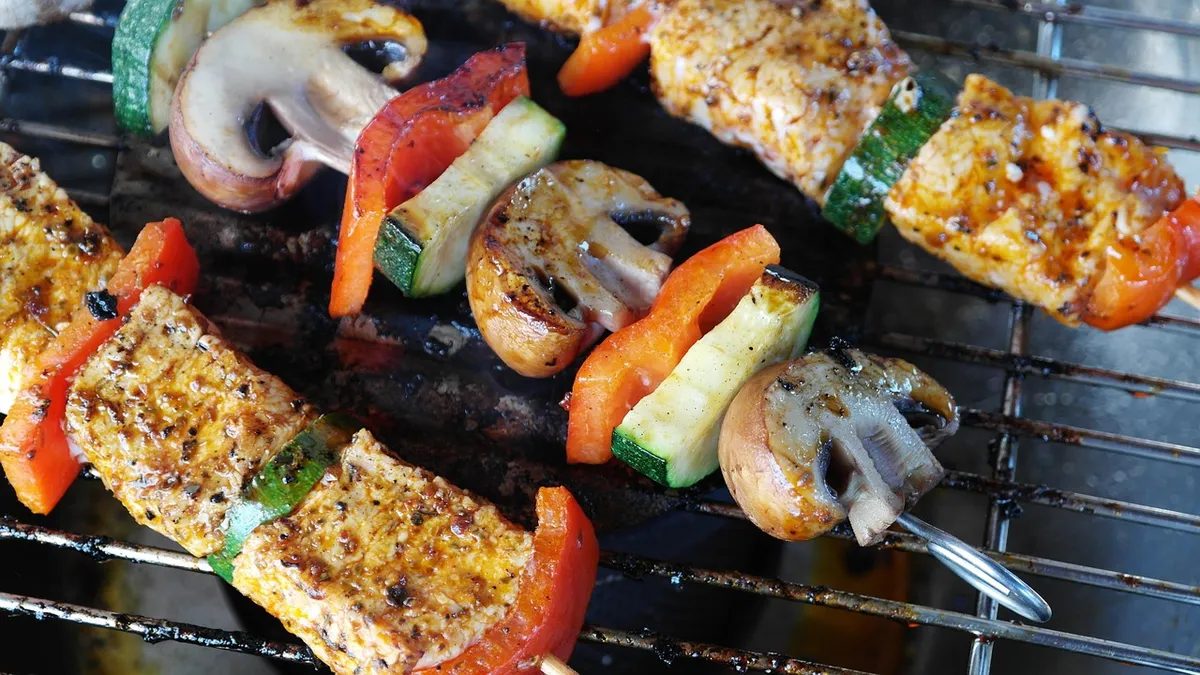
Gelatin formation is a chemical reaction that occurs when heat is applied to the collagen, which is a protein found within the fascia. The richness added by gelatin is a direct result of this transformation, providing a smooth, luxurious mouthfeel.
The breakdown of this connective tissue is a condition that must be managed to achieve the desired tenderness.
What are the specific temperature requirements for pork? pig fascia structure
A kitchen thermometer is inserted into the center of a thick pork loin to ensure it reaches the safe internal temperature. Precise temperature control is the difference between a juicy meal and a dry, overcooked disappointment.
According to the Foreign Agricultural Service, nearly 100 million metric tons of pork were consumed worldwide in 2006 (preliminary data).
According to the FSIS, which is a part of the USDA, the current recommendation is to cook ground pork to 71 °C (160 °F) and whole cuts to 63 °C (145 °F) followed by a 3-minute rest. This ensures that pathogens are destroyed while maintaining moisture.
The 3-minute rest period is a crucial step that allows the internal temperature to stabilize after removal from the heat source.
Following these specific heat levels allows the proteins to denature without losing all cellular moisture. For those working with ground meat, the higher temperature is vital for safety. For whole cuts, the resting period is just as important as the heating phase itself.
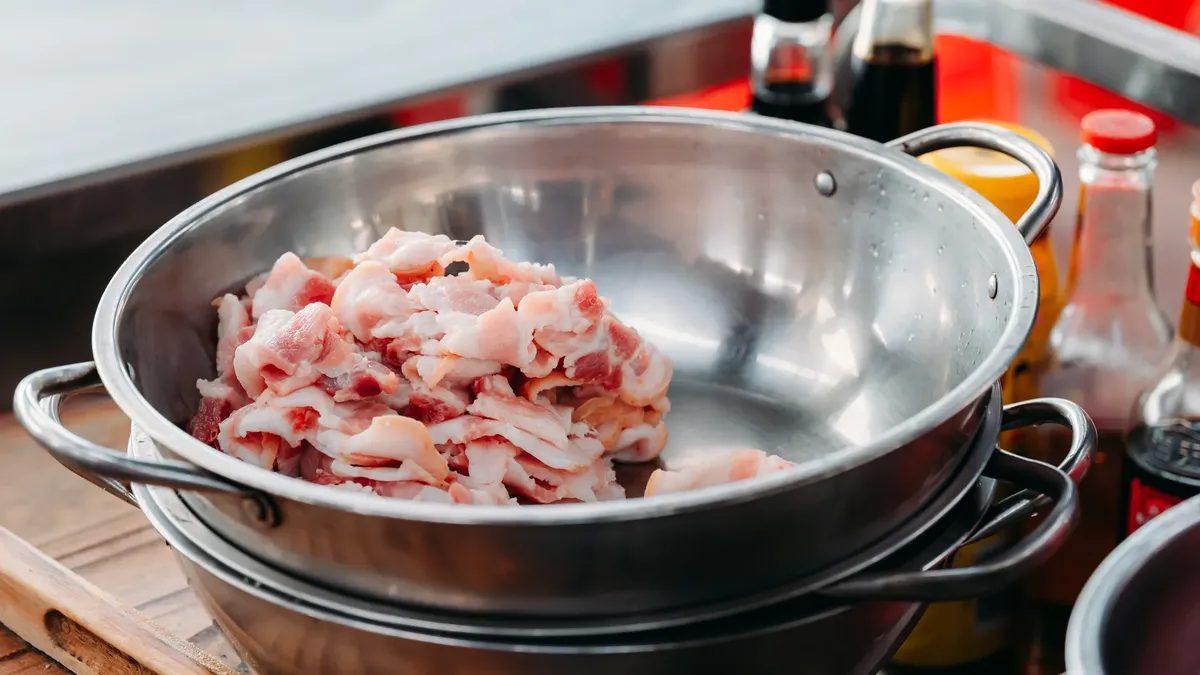
The denaturation of proteins is a condition that changes the texture of the meat, often making it firmer. The moisture retention is a direct outcome of achieving the correct temperature, preventing the meat from drying out.
The comparison between the required temperature for ground meat and whole cuts highlights the different safety risks associated with each preparation.
What defines a pork riblet in anatomical terms?
An apprentice butcher examines a bone structure, noting the unique shape of the transverse processes. These specific skeletal elements define the unique identity of certain premium pork cuts.
As defined by the North American Meat Processors Association, pork cut number 424, the pork loin riblet, consists of the transverse processes of the lumbar vertebrae and any accompanying lean meat left after the loin and tenderloin are removed.
This anatomical definition distinguishes it from standard ribs. The transverse processes are the bony projections that stick out from the vertebrae, and their shape is a defining characteristic of the riblet.
These riblets offer a unique combination of bone-in flavor and lean meat. Because they are derived from the lumbar vertebrae, they possess a distinct texture compared to larger rib cuts. Using this knowledge helps in accurately identifying high-quality cuts in a professional setting.
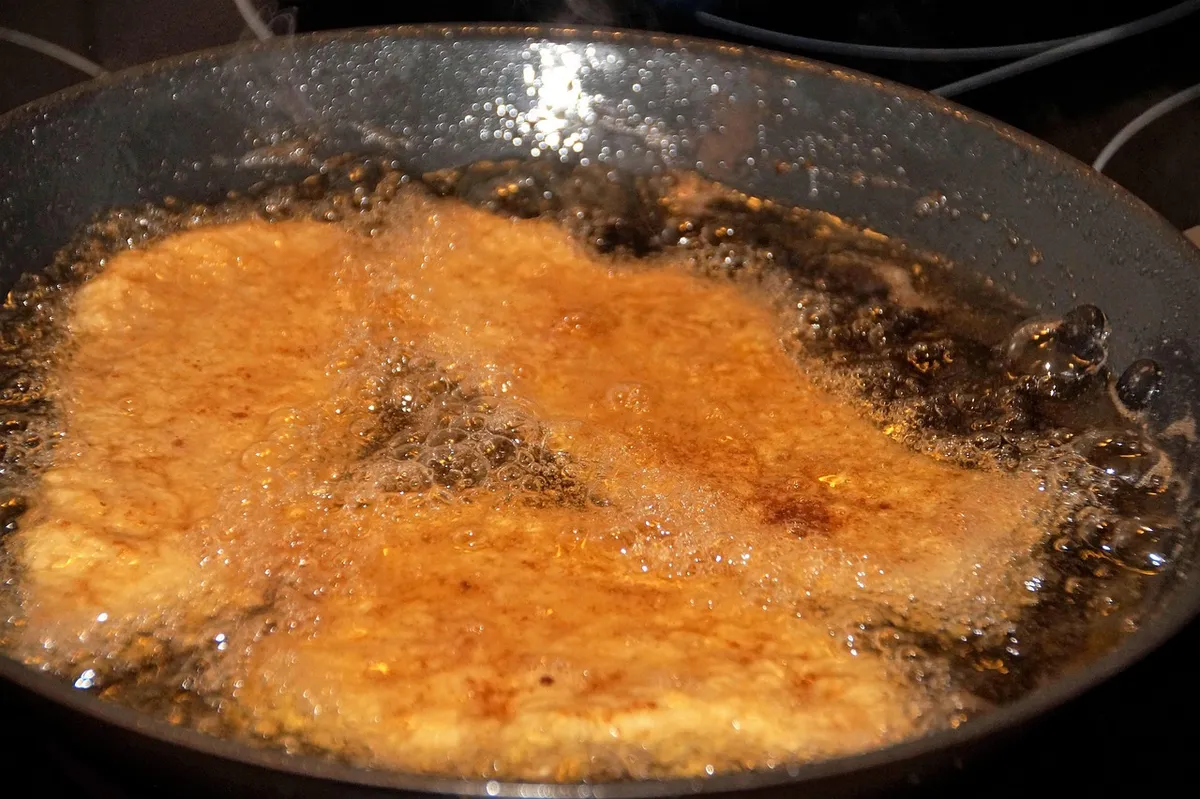
The texture of the riblet is a comparison point against larger rib cuts, which typically have a different proportion of fat and meat. The lean meat accompanying the transverse processes provides a specific flavor profile that is unique to this cut.
The anatomical definition serves as a procedure for identifying the cut precisely.
How can you apply these facts to your cooking?
A home cook stands at the kitchen counter, organizing various tools to prepare a multi-cut meal. Applying scientific principles to domestic cooking turns a routine meal into a culinary success.
To prepare pork effectively, follow these steps:
- Identify the cut type to determine if it is a whole cut or ground meat. 2. Use a meat thermometer to reach the target temperatures of 63 °C for whole cuts or 71 °C for ground meat. 3. Allow the meat to rest for at least 3 minutes after removing it from the heat.
I always check the internal temperature of my pork loin using a digital thermometer before serving to ensure it meets the 63 °C requirement. This prevents the common mistake of undercooking while avoiding the toughness of overcooked meat.
The process of checking the internal temperature is a procedure that ensures compliance with safety standards. The toughness of overcooked meat is a condition that results from exceeding the recommended heat level.
One limitation is that these temperature guidelines are specific to the USDA's current recommendations and may vary based on different regional health standards or specific culinary techniques.
The variation in regional health standards is a caution that must be considered when applying these guidelines. The specific culinary techniques used can influence the final texture, even if the temperature is correct.
- How does fascial structure affect pork quality?
- What are the specific temperature requirements for pork?
- What defines a pork riblet in anatomical terms?
The subject here is pig fascia structure.
The same subject is also called pig muscle fascia.
The same subject is also called porcine fascia traits.
The same subject is also called pig connective tissue.
The same subject is also called pig muscle anatomy.
This part also covers fascia and meat quality.
This part also covers cooking methods and fascia.
This part also covers fascia impact on texture.
fascia and meat quality
Related
Comments 0