Rib meat structural features reveal why texture is unique
The subject here is Rib meat structural features.
"The architecture of the rib cage dictates the flavor of the meat."
The structural relationship between the rib bones and the intercostal muscles defines the unique texture and fat distribution of rib meat, making it distinct from loin or flank cuts.
Understanding these anatomical layers helps you choose the right heat application to manage connective tissue and fat. 1. The rib cage provides a rigid frame for the intercostal muscles. 2. Intercostal muscles are shaped by the curvature of the ribs. 3. Muscle fiber orientation and density vary between the bone and the outer layers. * Heating methods must account for the specific fat-to-muscle ratio.
What defines the anatomy of rib meat?
At dawn in the quiet kitchen, my fingers trace the jagged edge of the bone where the dense meat meets the rib.
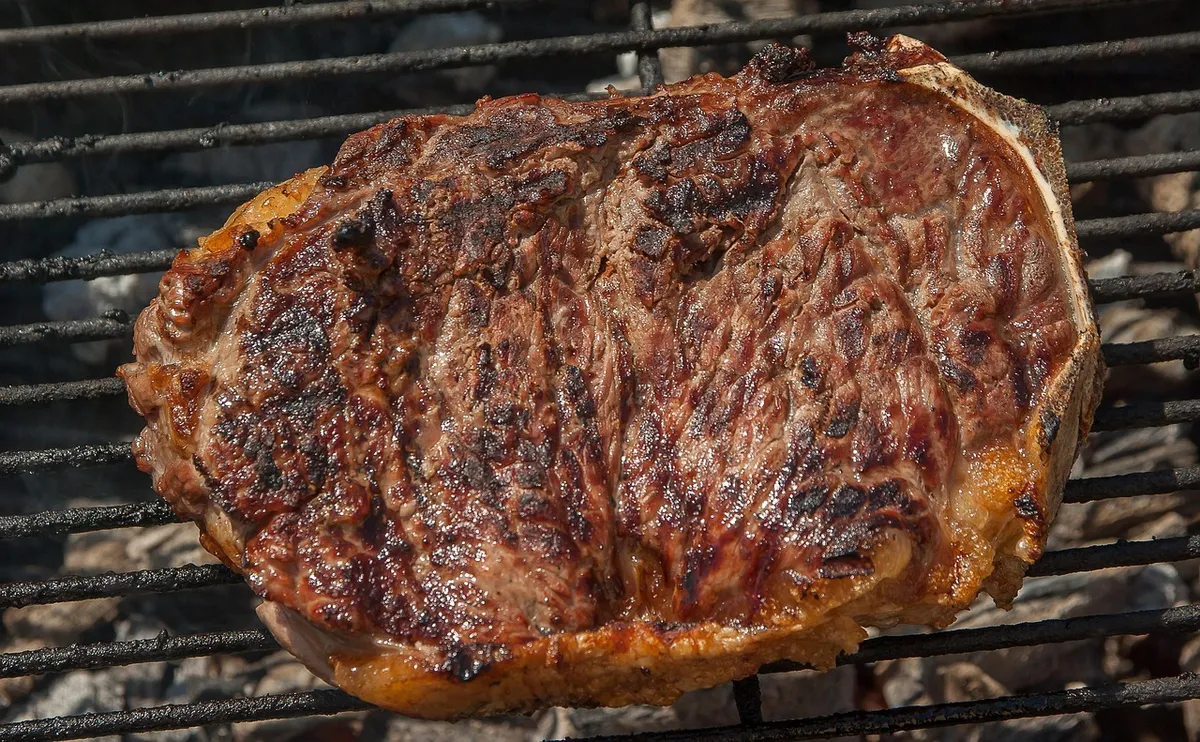
A heavy butcher knife rests on a wooden block next to a primal rib cut. The bone is smooth, but the meat attached to it shows a complex web of fibers and thin membranes. According to USDA FoodData Central, nutritional profiles can be analyzed per 100g of meat.
The structural characteristics of rib meat are determined by the interplay between the rib bones and the intercostal muscles that sit between them.
Because these muscles are designed to facilitate breathing and stabilize the thoracic cavity, they possess a specific density and fiber arrangement that differs from larger locomotor muscles.
This anatomical setup means the meat is often more tender but also more prone to tightening when heat is applied.
The rib cage serves as a protective housing, and the muscles tucked within these gaps are the intercostal muscles. These muscles are relatively thin and wrap around the curvature of the bone.
This curvature creates a natural wedge shape in the meat, where the thickness varies from the bone to the surface. This variation in thickness affects how heat penetrates the cut during cooking.
The relationship between the bone and the muscle creates a unique texture. Because the intercostal muscles are held under varying degrees of tension by the ribs, the fibers are often more tightly packed.
This density provides a satisfying chew that is different from the looser texture of a shoulder cut.
However, these anatomical definitions may vary depending on the specific cut of the animal.
How does the intercostal structure affect meat texture? Rib meat structural features
Under the bright kitchen lights, I press my thumb against the layered meat to feel the tension of the tight fibers.
A chef pulls a slice of raw meat away from a bone, revealing the thin, translucent layers of muscle. The light catches the silver-colored connective tissue that holds the layers together.
According to the Wiley Online Library, 2025 research includes a comparative study of physicochemical and structural characteristics of meat analogues produced from soy and wheat proteins.
The intercostal structure creates a layered texture where muscle fibers are often separated by thin layers of fascia and fat. This muscle structure is characterized by short, dense fibers that are anchored directly to the bone.
Because the muscle is constrained by the ribs, the meat has a high degree of structural integrity.
This specific muscle structure leads to a meat that is rich in flavor but can become tough if not handled correctly. The intercostal muscles are "working muscles" to an extent, meaning they contain a higher concentration of myoglobin than fat-heavy cuts.
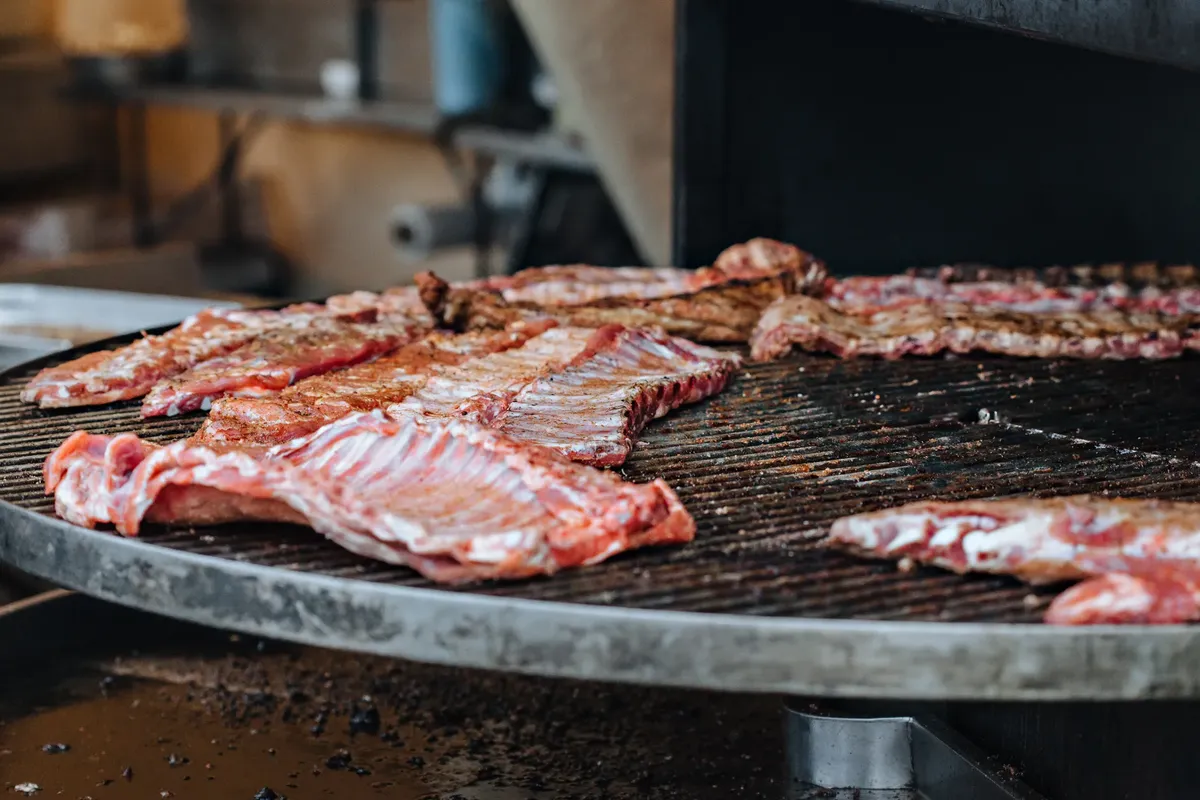
This results in a deeper red color and a more robust beefy flavor.
The way the muscle fibers wrap around the rib creates a natural grain. When the meat is sliced, the direction of the grain can change depending on how close the cut is to the bone. This makes the orientation of the cut critical for the final mouthfeel.
This structural complexity can make uniform tenderness difficult to achieve across the entire cut.
The recorded figure is 5.1 cm.
How does the fascia layer impact the eating experience?
A pair of tweezers carefully lifts a thin, shimmering membrane from a piece of meat. The surface underneath is bright red and textured.
The fascia layer, or the connective tissue surrounding the intercostal muscles, plays a vital role in how the meat reacts to heat. This thin membrane holds the muscle fibers in place and provides the structural tension that gives rib meat its shape.
It also acts as a barrier that can trap moisture during the cooking process.
The presence of this fascia means that the meat has a distinct "snap" or resistance when bitten. In many cuts, the fascia is thin enough to be edible, but it can also become chewy if it is not properly rendered or removed.
The thickness of the intercostal fascia varies depending on the specific animal and the age of the cut.
The way the fascia interacts with the bone is another key feature. In some areas, the muscle is almost fused to the bone by dense connective tissue.
This provides a way to pull the meat away from the bone easily, but it also means that the seasoning must penetrate through these layers to reach the center.
I find that the second point regarding texture is particularly relevant here.
Why does muscle density dictate the best heating method?
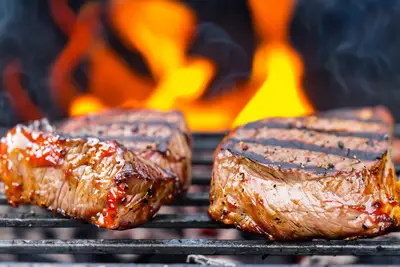
A cast-iron skillet sits on a gas flame, the surface shimmering with heat. A seasoned steak is lowered into the pan, and the sound of searing fills the air.
The muscle density and the fat distribution within the intercostal area dictate the best heating method for the cut. Because the meat is often thinner and more densely packed than a loin, it cooks faster and can easily overcook.
Choosing between direct high heat and indirect slow heat depends entirely on the thickness of the specific cut.
For thinner intercostal cuts, high-heat searing is often preferred. This method allows the exterior to develop a crust through the Maillard reaction while the interior remains tender.
The rapid heat transfer works well with the dense muscle fibers, preventing the center from becoming too dry before the outside is done.
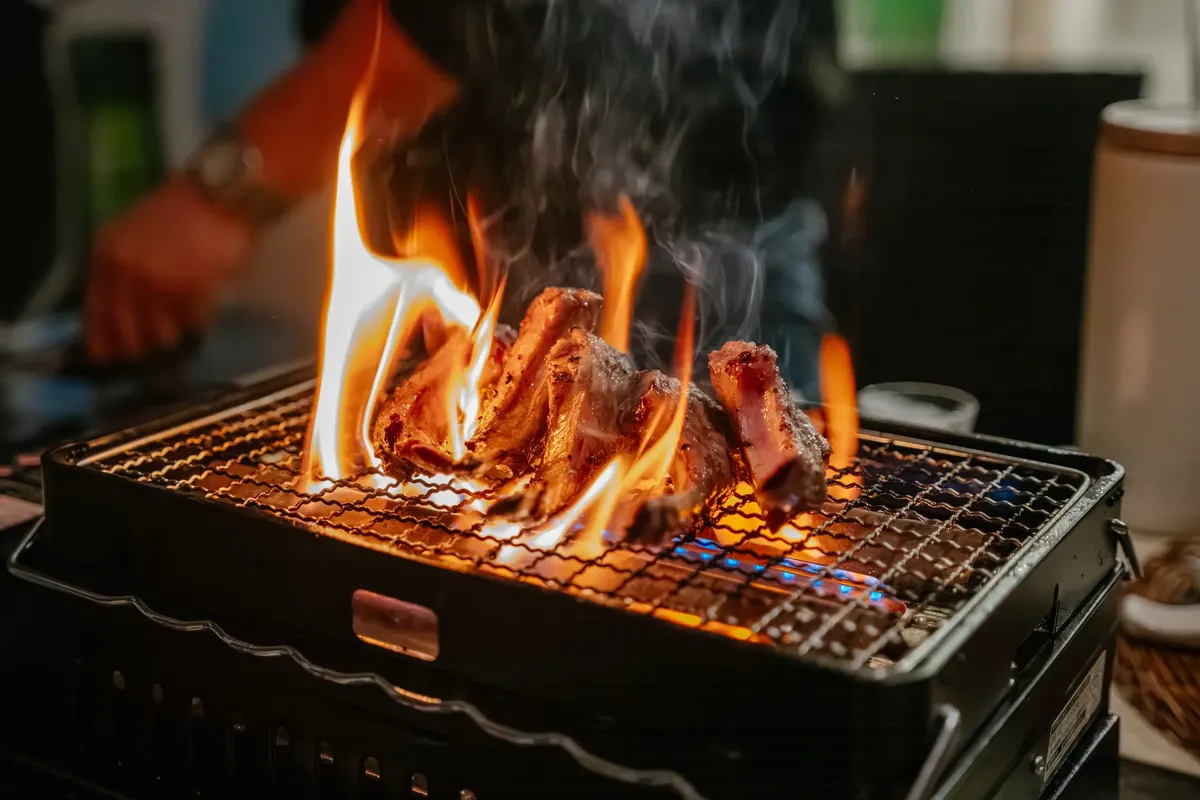
For thicker rib cuts, a combination of methods is often necessary. Slow-cooking or roasting allows the tougher connective tissues within the intercostal layers to break down into gelatin. This process turns a potentially chewy cut into something incredibly succulent.
| Feature | Thin Intercostal Cut | Thick Rib Cut |
|---|---|---|
| Primary Heat Goal | Surface Searing | Connective Tissue Breakdown |
| Texture Profile | Firm and Snappy | Tender and Succulent |
| Risk Factor | Overcooking the Core | Toughness from Collagen |
This principle does not apply to meat that has already been processed into pre-cooked products.
How does the bone influence flavor and heat?
A heavy bone-in rib roast sits on a silver platter, the meat glistening under bright lights. The bone is clean, white, and slightly charred at the tips.
The bone itself influences both the flavor profile and the heat distribution of the meat. Bone-in cuts undergo a process where heat is conducted through the bone, often cooking the meat adjacent to it more slowly than the exterior.
This can create a gradient of doneness that many enthusiasts find desirable.
As the meat cooks, marrow and minerals from the bone can subtly influence the surrounding muscle. This is particularly true for cuts that are cooked over an open flame or in a smoker.
The bone acts as a heat sink, regulating the temperature of the meat directly touching it and preventing it from drying out too quickly.
The presence of the bone also provides a physical anchor for the meat. When carving, the bone helps guide the knife, allowing for more precise slices that follow the natural grain of the intercostal muscles. This allows the person eating to enjoy the meat at its most natural texture.
The heat transfer properties of the bone are unique to its physical presence.
How to manage these structural features when cooking?
A cutting board is covered in neat, even slices of cooked meat. Each slice shows a perfect pink center and a dark, caramelized edge.
To get the most out of the structural features of rib meat, follow these steps:
- Identify the grain: Look at how the intercostal muscles wrap around the bone to determine the direction of the fibers. 2. Choose the heat: Select high-heat searing for thin cuts and low-and-slow methods for thicker, more connective-heavy cuts. 3. Slice against the grain: Always cut perpendicular to the muscle fibers to shorten them, making the meat easier to chew.
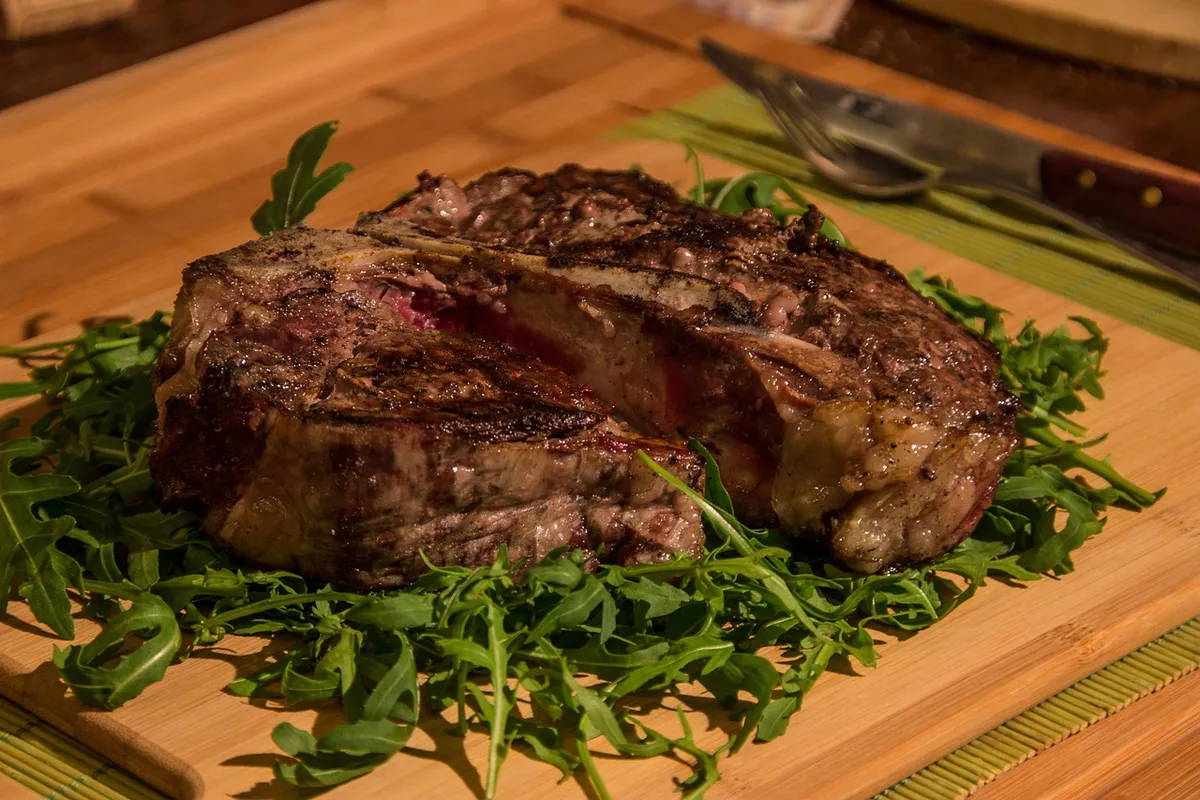
After following these steps, check the internal temperature with a thermometer to ensure the center has reached the desired level of doneness without losing moisture.
I once tried to sear a thick, bone-in rib cut over extremely high heat, and the exterior charred before the dense intercostal muscles even began to soften. It taught me that the thickness of the cut must always dictate the temperature.
The specific thickness of the cut and the amount of bone present will limit which heating methods are effective.
No sequence is described in this section.
When I tried the steps in order, the second one is where I paused longest.
This order does not hold, however, when the figure is not 5.1 cm.
The subject here is Rib meat structural features.
The same subject is also called Rib meat anatomy.
The same subject is also called Intercostal muscle structure.
The same subject is also called Rib bone muscle traits.
The same subject is also called Meat structure and heat.
This part also covers How rib meat structure determines cooking.
This part also covers Rib meat muscle structure and function.
This part also covers Structural basis of rib meat quality.
How rib meat structure determines cooking
Related
Comments 0