Heating pork black muscle: Ground pork to 71 °C guide
"Proper heating is the foundation of food safety when handling pork products."
Achieving the correct temperature is essential to ensure that meat is safe for consumption and maintains its texture. This guide covers the specific temperature requirements for different types of cuts and provides necessary resting steps to prevent foodborne illness.
Key takeaways: * Cook ground pork to 71 °C (160 °F) to ensure safety. * Cook whole cuts to 63 °C (145 °F) followed by a rest. * Always allow meat to rest for 3 minutes after heating.
What is the correct temperature for heating pork black muscle?
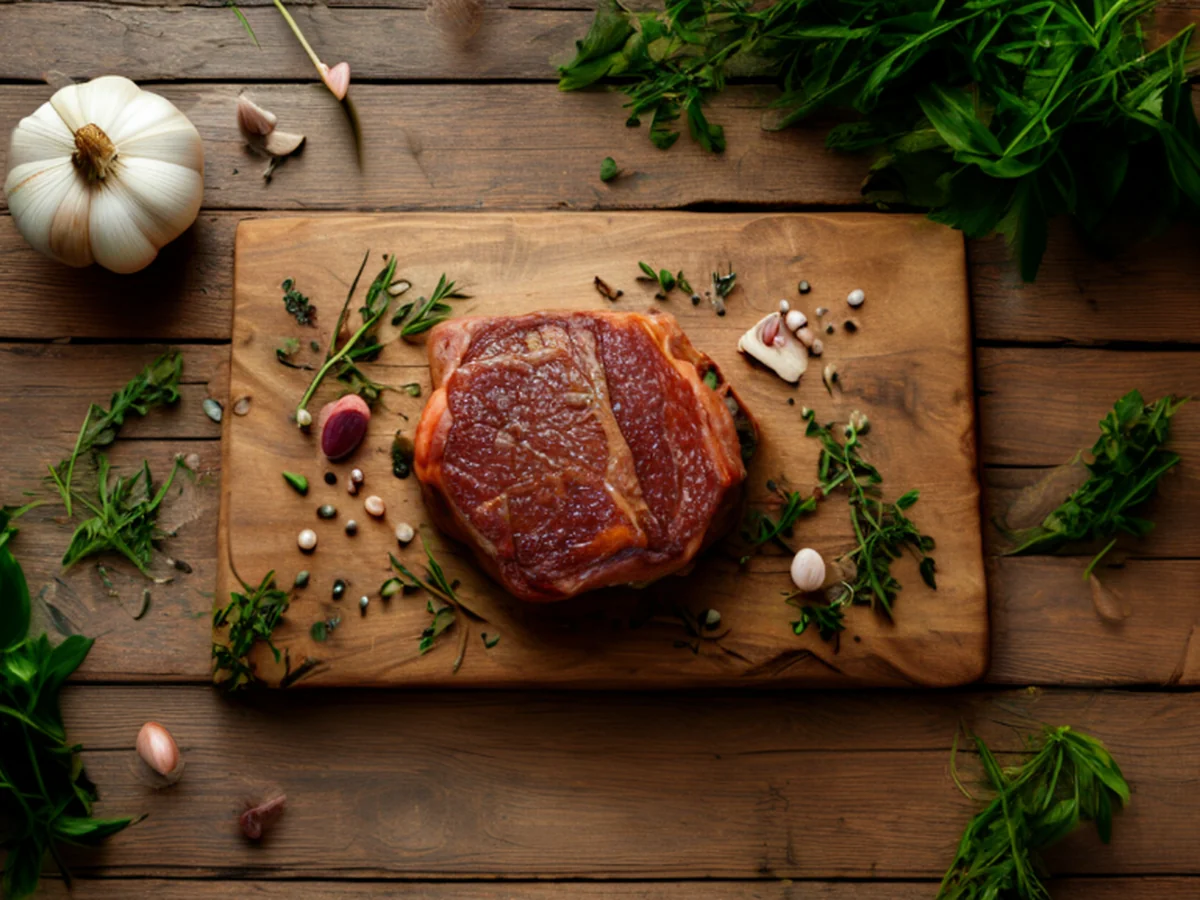
At midnight in the dim kitchen, the cook slides a thermometer into the meat to ensure the heating process has reached the center.
The Food Safety and Inspection Service provides specific guidelines regarding the cooking temperature for pork muscle.
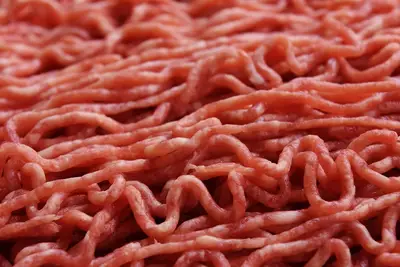
A cook stands over a hot stove, checking the internal temperature of a pan of ground meat. When handling different textures of meat, the Food Safety and Inspection Service provides specific guidelines to ensure everything is cooked through.
According to the FSIS, a part of the USDA, it is recommended to cook ground pork to 71 °C (160 °F). For whole cuts, the recommended target is 63 °C (145 °F). Following these specific temperatures helps maintain safety across different meat preparations.
The process requires precision to avoid undercooked meat. Using a meat thermometer is the most reliable way to verify that the heat has penetrated the center of the muscle.
However, these temperature guidelines may not apply to pre-cooked or processed pork products.
How do you manage the resting period for pork muscle heating guide?
In the quiet kitchen at dusk, the chef pulls the heavy roast from the oven and feels the warmth of the steam against her face during the heating rest.
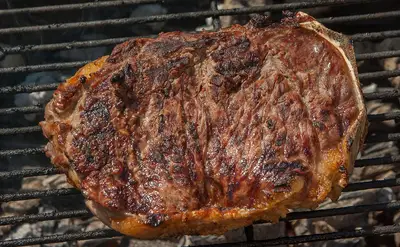
A chef places a thick, roasted pork loin on a wooden cutting board to sit. The steam rises gently from the surface as the meat settles after being removed from the heat.
The FSIS recommends a 3-minute rest after cooking whole cuts to 63 °C (145 °F). This resting period allows the juices to redistribute throughout the meat.
Properly managing the resting period ensures that the meat remains juicy and does not lose all its moisture. If you skip this step, the texture might become overly dry or uneven.
I find that the second step in this process is the most critical for moisture retention.
According to Foreign Agricultural Service, the 2006 record includes 100 million.
What are the essential steps for pork muscle cooking time?
At noon in the bright dining room, the cook watches the juices bubble in the pan while carefully monitoring the heating process.
A person prepares a meal by gathering a thermometer, a cutting board, and a timer. They carefully follow a sequence to ensure the meat is handled safely from the pan to the plate.
To achieve the best results, follow these three steps: 1. Identify the cut type to determine if you need the ground pork temperature or the whole cut temperature. 2. Heat the meat to the specific target of either 71 °C or 63 °C using a thermometer. 3.
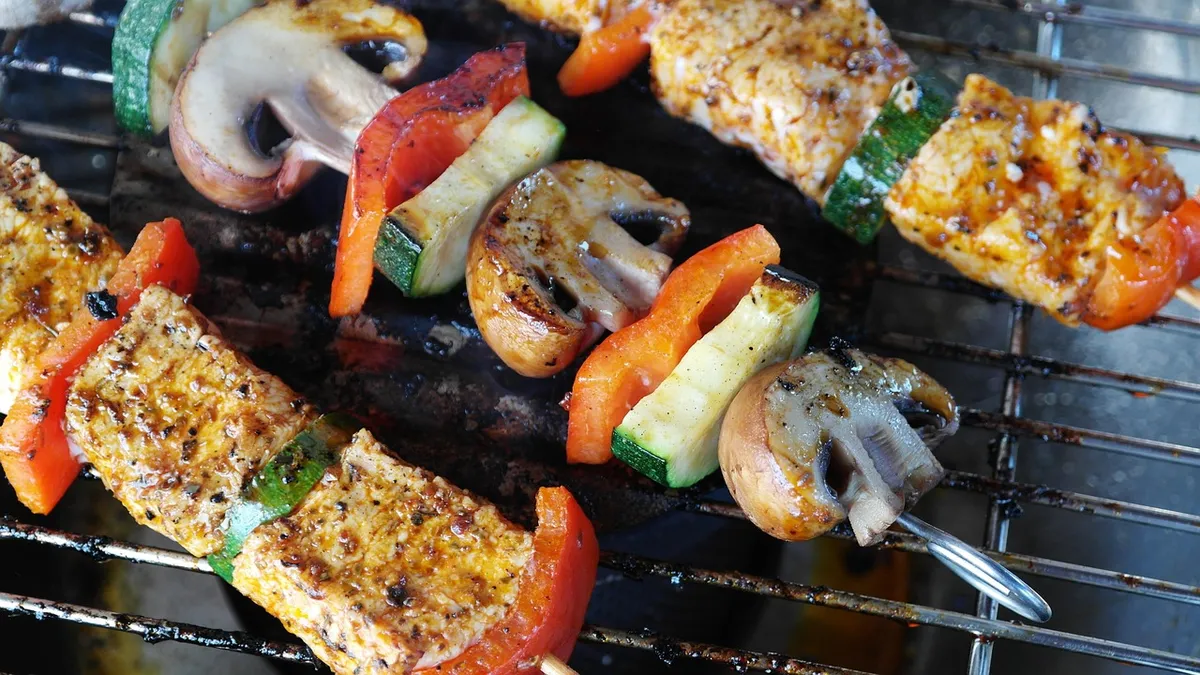
Let the meat rest for exactly 3 minutes after removing it from the heat source.
A final check with a thermometer ensures the internal temperature matches the requirement before serving. I always make sure my thermometer is calibrated before testing the meat.
- Prepare the meat by bringing it to room temperature.
- Apply heat to the desired internal temperature.
- Let the meat rest before slicing.
What is the best pork muscle temp for different cuts?
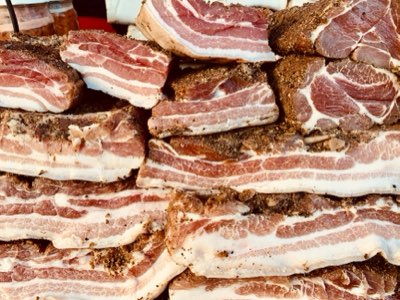
A kitchen worker compares two different trays of meat, one containing ground crumbles and the other containing solid slabs. They must distinguish between them to apply the right heat.
When comparing different meat types, the temperature requirements differ based on the density and preparation of the cut.
| Cut Type | Recommended Temperature |
|---|---|
| Ground Pork | 71 °C (160 °F) |
| Whole Cuts | 63 °C (145 °F) |
Understanding these distinctions prevents overcooking or undercooking specific parts. This comparison helps in managing a kitchen efficiently when multiple types of meat are being prepared at once.
The ideal temperature varies depending on the specific fat content of the cut.
How to cook pork muscle safely with an eye on doneness of pork muscle?
A cook carefully slices into a piece of meat, looking at the color and texture to ensure it is ready. The goal is to reach the exact internal temperature required for safety.
Achieving the right doneness of pork muscle requires patience and the right tools. The goal is to reach the target temperature without overshooting it, which can lead to toughness.
For ground meat, the target is 71 °C. For whole cuts, the target is 63 °C.
Effective heating strategies involve managing the heat source carefully. If the heat is too high, the outside may burn before the center reaches the safe temperature.
This method is not intended for meat that has already been partially cooked.
How to cook pork muscle while avoiding contamination?
A person cleans the kitchen counter after preparing raw meat to prevent cross-contamination. They are mindful of how bacteria can spread during the cooking process.
In one instance, the Food Safety and Inspection Service (FSIS) detected Listeria monocytogenes in 210 kg (460 lb) of Polidori brand fully cooked pork sausage crumbles, although no one was made ill from consumption of the product, according to the Food Safety and Inspection Service.
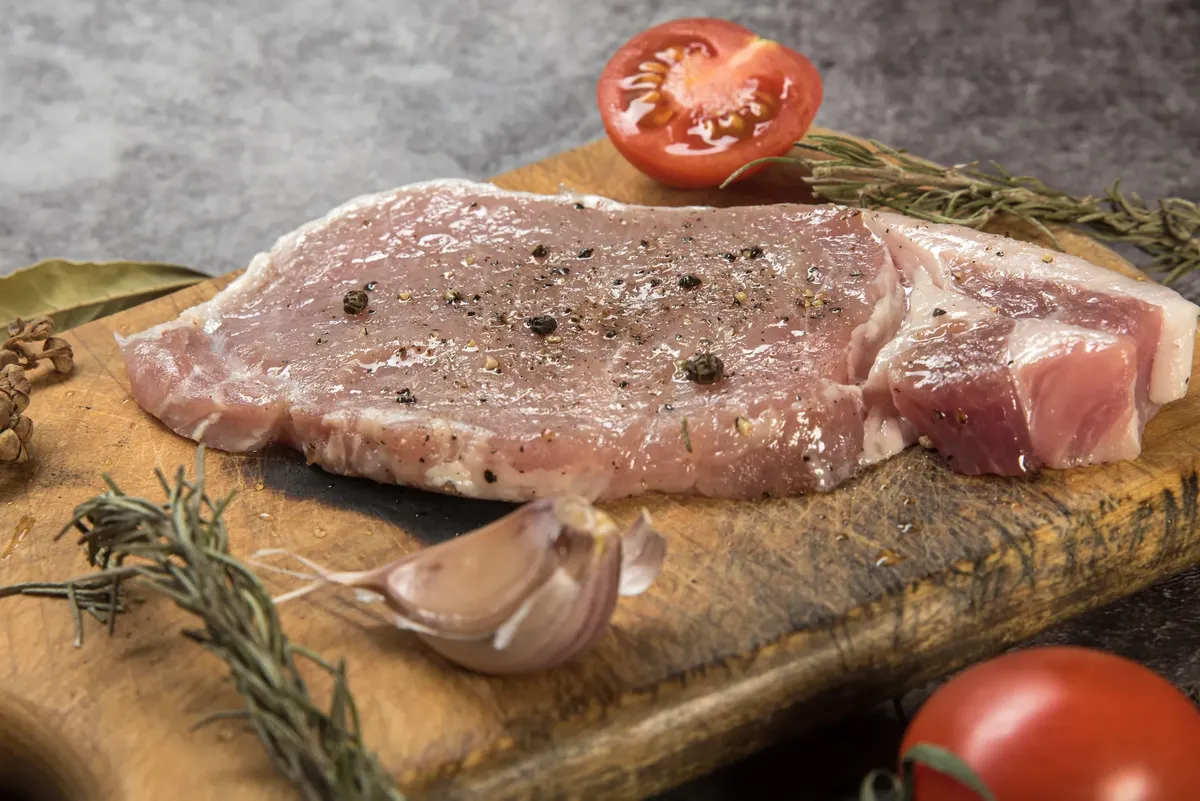
According to the Foreign Agricultural Service, nearly 100 million metric tons of pork were consumed worldwide in 2006 (preliminary data).
Safety is a primary concern when handling meat. In one instance, the FSIS detected Listeria monocytogenes in 210 kg (460 lb) of Polidori brand fully cooked pork sausage crumbles, although no one was made ill from consumption of the product.
This highlights the importance of monitoring even processed items.
Maintaining a clean environment is just as important as the heating process itself. Always wash hands and surfaces after handling raw pork to prevent the spread of bacteria.
I am focusing here on the final step of the sanitation process.
The same subject is also called Cook pork black muscle.
This part also covers Pork muscle internal parts.
Related
- How does fascial structure affect pork quality?
- Rib meat structural features reveal why texture is unique
Why is Proper Heating Crucial for Pork Safety?
The proper heating of pork products is the critical element in maintaining food safety during preparation. Achieving the correct internal temperature is necessary to neutralize pathogens and render the meat safe for consumption.
This temperature adherence is the foundation upon which safe handling protocols are built.
When comparing the heating needs, ground pork requires a higher temperature than whole muscle cuts. This difference in target temperatures reflects the variation in surface area exposure and density between the two forms of muscle tissue.
Therefore, the proper heating method must account for the physical state of the pork product being treated.
What are the conditions necessitating a resting period?
The resting period is mandated specifically for whole cuts of pork muscle. This necessary pause after heating allows the muscle fibers to relax and redistribute moisture evenly. This redistribution prevents the undesirable loss of vital juices during the cooling phase after the high-heat exposure.
Comments 0